
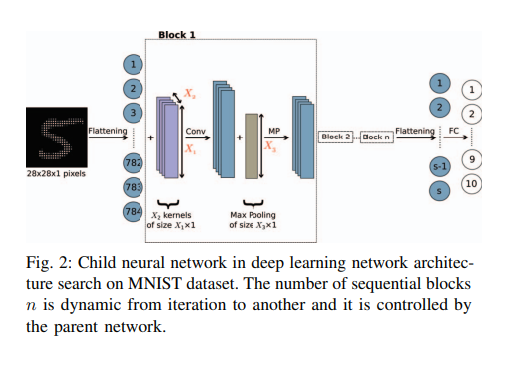
AutoDLCon: An Approach for Controlling the Automated Tuning for Deep Learning Networks
Neural networks have become the main building block on revolutionizing the field of artificial intelligence aided applications. With the wide availability of data and the increasing capacity of computing resources, they triggered a new era of state-of-the-art results in diverse directions. However, building neural network models is domain-specific, and figuring out the best architecture and hyper-parameters in each problem is still an art. In practice, it is a highly iterative process that is very time-consuming, requires substantial computing resources, and needs deep knowledge and solid
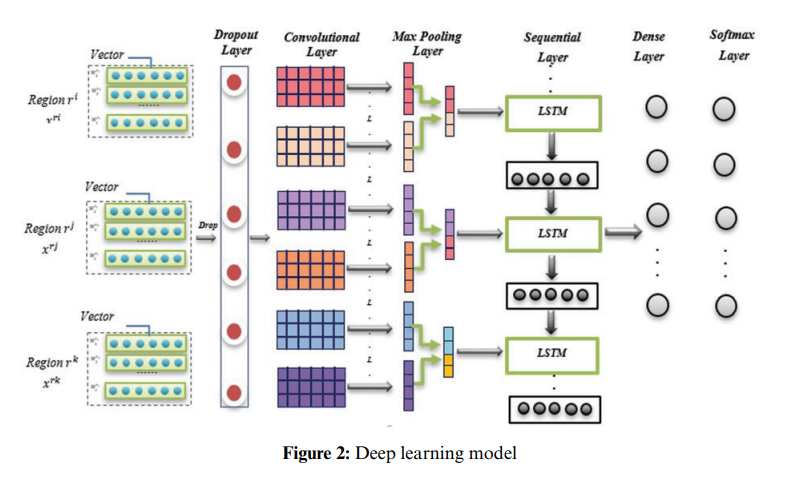
Arabic fake news detection using deep learning
Nowadays, an unprecedented number of users interact through social media platforms and generate a massive amount of content due to the explosion of online communication. However, because user-generated content is unregulated, it may contain offensive content such as fake news, insults, and harassment phrases. The identification of fake news and rumors and their dissemination on social media has become a critical requirement. They have adverse effects on users, businesses, enterprises, and even political regimes and governments. State of the art has tackled the English language for news and
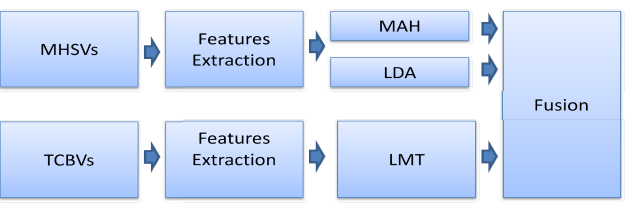
Motion history of skeletal volumes and temporal change in bounding volume fusion for human action recognition
Human action recognition is an important area of research in computer vision. Its applications include surveillance systems, patient monitoring, human-computer interaction, just to name a few. Numerous techniques have been developed to solve this problem in 2D and 3D spaces. However 3D imaging gained a lot of interest nowadays. In this paper we propose a novel view-independent action recognition algorithm based on fusion between a global feature and a graph based feature. We used the motion history of skeleton volumes; we compute a skeleton for each volume and a motion history for each action
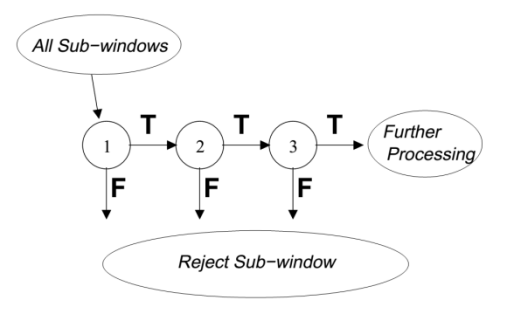
Real-time vehicle detection and tracking using haar-like features and compressive tracking
This paper presents a real-time vision framework that detects and tracks vehicles from stationary camera. It can be used to calculate statistical information such as average traffic speed and flow as well as in surveillance tasks. The framework consists of three main stages. Vehicles are first detected using Haar-like features. In the second phase, an adaptive appearance-based model is built to dynamically keep track of the detected vehicles. This model is also used in the third phase of data association to fuse the detection and tracking results. The use of detection results to update the
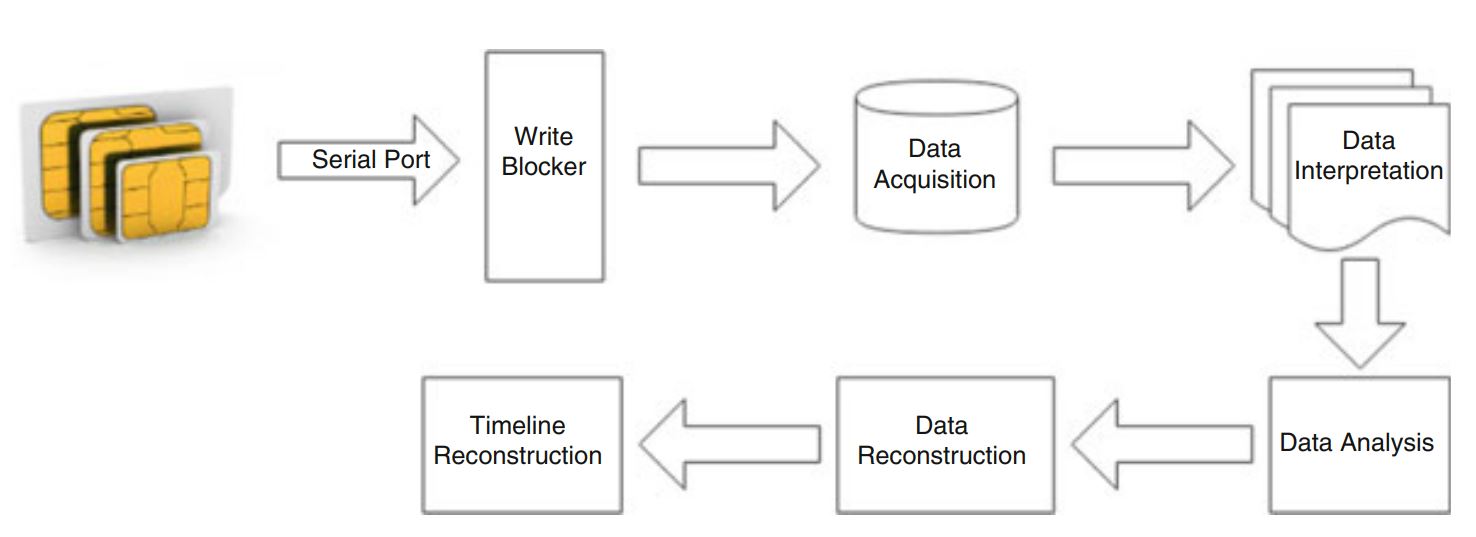
Experimental digital forensics of subscriber identification module (SIM) Card
[No abstract available]
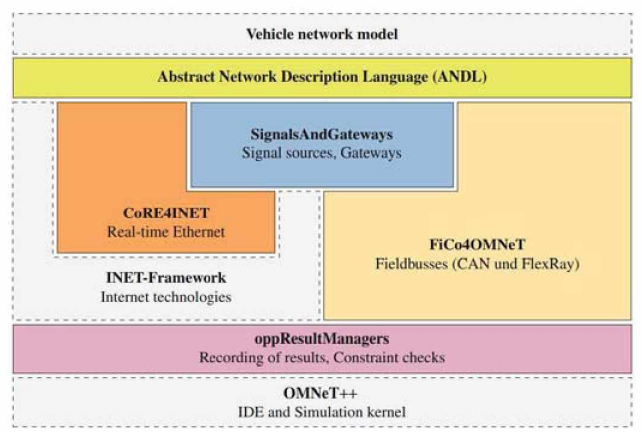
AVB/TSN Protocols in Automotive Networking
In the last decade, Ethernet networks that require real time constraints are massively increased. Switched Ethernet is reshaping in-vehicle communications. To meet real-time requirements for diverse data types in automotive communications, Quality-of-Service protocols that go beyond the mere use of priorities are required. In Vehicle networks requirements are evolving and need better Quality-of-Service (QoS) options. This applies also for industrial networks implementation. Time Sensitive Networking (TSN) IEEE 802.1 Task working group are providing wide variety of Standard. This standard
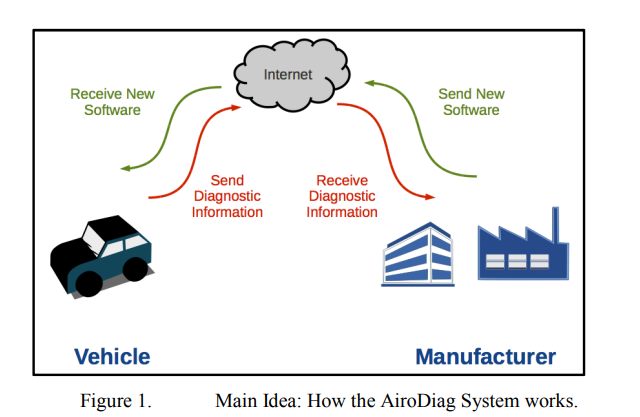
AiroDiag: A sophisticated tool that diagnoses and updates vehicles software over air
This paper introduces a novel method for diagnosing embedded systems and updating embedded software installed on the electronics control units of vehicles through the Internet using client and server units. It also presents the communication protocols between the vehicle and the manufacturer for instant fault diagnosis and software update while ensuring security for both parties. AiroDiag ensures maximum vehicle efficiency for the driver and provides the manufacturer with up-to-date vehicle performance data, allowing enhanced future software deployment and minimum loss in case of vehicle
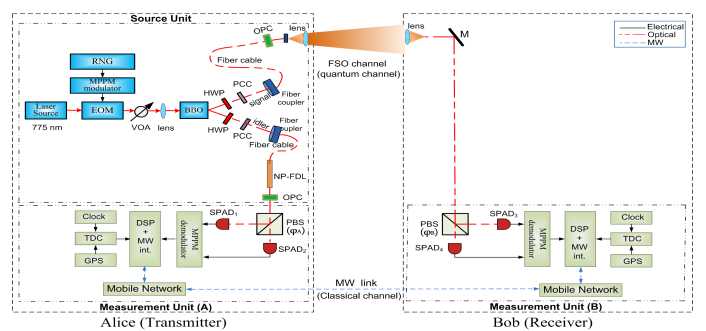
Reliability and Security Analysis of an Entanglement-Based QKD Protocol in a Dynamic Ground-to-UAV FSO Communications System
Quantum cryptography is a promising technology that achieves unconditional security, which is essential to a wide range of sensitive applications. In contrast to optical fiber, the free-space optical (FSO) link is efficiently used as a quantum channel without affecting the polarization of transmitted photons. However, the FSO link has several impairments, such as atmospheric turbulence and pointing errors, which affect the performance of the quantum channel. This paper proposes a quantum key distribution (QKD) scheme that uses a time-bin entanglement protocol over the FSO channel that suffers
A detailed survey and future directions of unmanned aerial vehicles (Uavs) with potential applications
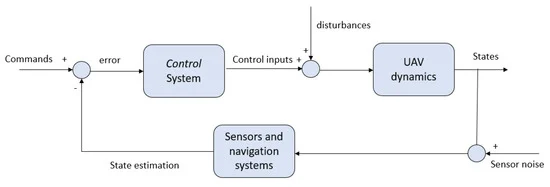
Recently, unmanned aerial vehicles (UAVs), also known as drones, have gained widespread interest in civilian and military applications, which has led to the development of novel UAVs that can perform various operations. UAVs are aircraft that can fly without the need of a human pilot onboard, meaning they can fly either autonomously or be remotely piloted. They can be equipped with multiple sensors, including cameras, inertial measurement units (IMUs), LiDAR, and GPS, to collect and transmit data in real time. Due to the demand for UAVs in various applications such as precision agriculture
Radio optical network simulation tool (ronst)
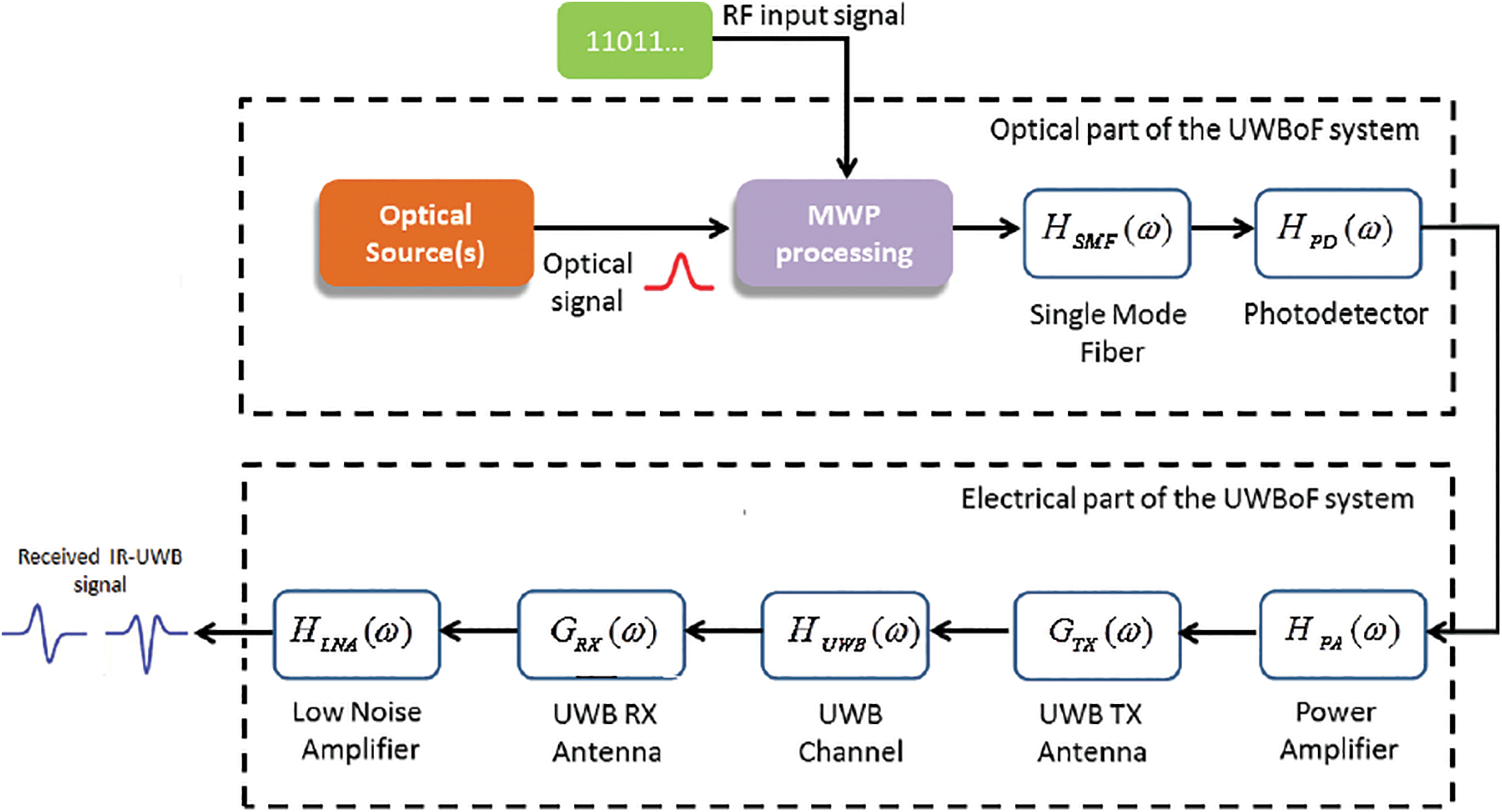
This paper presents a radio optical network simulation tool (RONST) for modeling optical-wireless systems. For a typical optical and electrical chain environment, performance should be optimized concurrently before system implementation. As a result, simulating such systems turns out to be a multidisciplinary problem. The governing equations are incompatible with co-simulation in the traditional environments of existing software (SW) packages. The ultra-wideband (UWB) technology is an ideal candidate for providing high-speed short-range access for wireless services. The limited wireless reach