Filter by
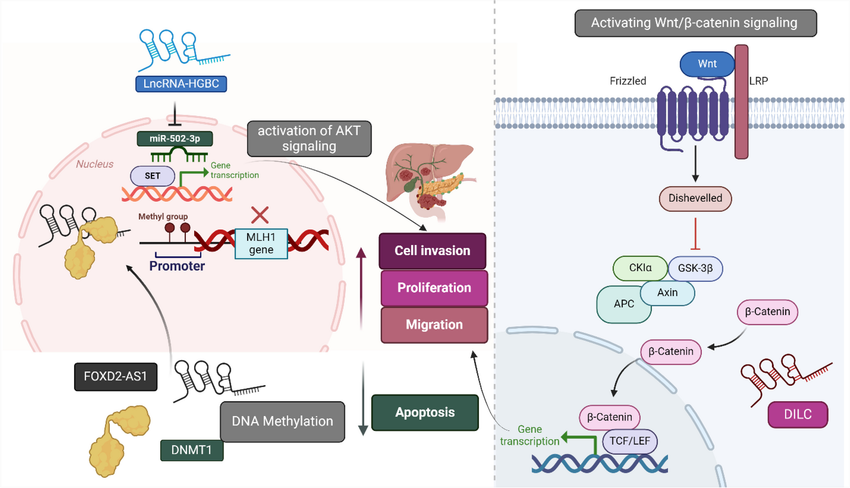
Natural products and long noncoding RNA signatures in gallbladder cancer: a review focuses on pathogenesis, diagnosis, and drug resistance
Gallbladder cancer (GBC) is an aggressive and lethal malignancy with a poor prognosis. Long noncoding RNAs (lncRNAs) and natural products have emerged as key orchestrators of cancer pathogenesis through widespread dysregulation across GBC transcriptomes. Functional studies have revealed that lncRNAs interact with oncoproteins and tumor suppressors to control proliferation, invasion, metastasis
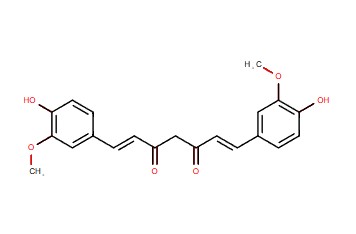
Mitoepigenetics pathways and natural compounds: a dual approach to combatting hepatocellular carcinoma
Hepatocellular carcinoma (HCC) is a leading liver cancer that significantly impacts global life expectancy and remains challenging to treat due to often late diagnoses. Despite advances in treatment, the prognosis is still poor, especially in advanced stages. Studies have pointed out that investigations into the molecular mechanisms underlying HCC, including mitochondrial dysfunction and
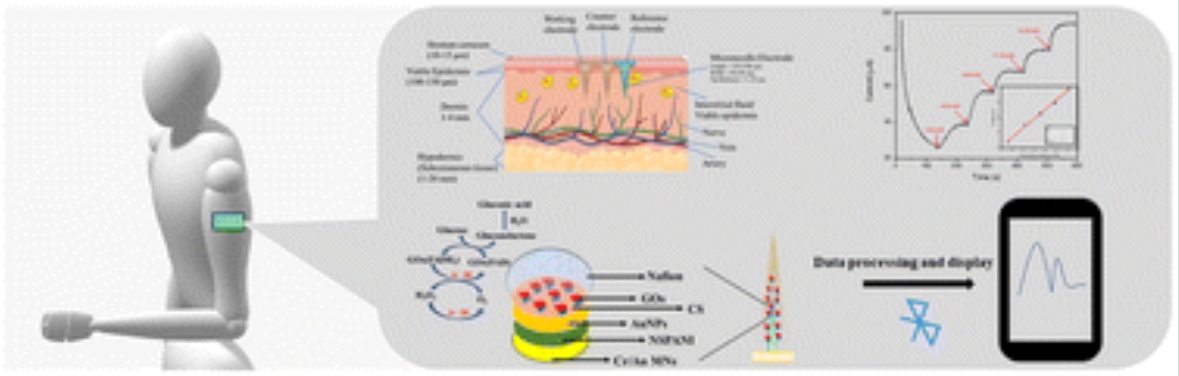
Early detection of hypo/hyperglycemia using a microneedle electrode array-based biosensor for glucose ultrasensitive monitoring in interstitial fluid
Diabetes is a common chronic metabolic disease with a wide range of clinical symptoms and consequences and one of the main causes of death. For the management of diabetes, painless and continuous interstitial fluid (ISF) glucose monitoring is ideal. Here, we demonstrate continuous diabetes monitoring using an integrated microneedle (MN) biosensor with an emergency alert system. MNs are a novel
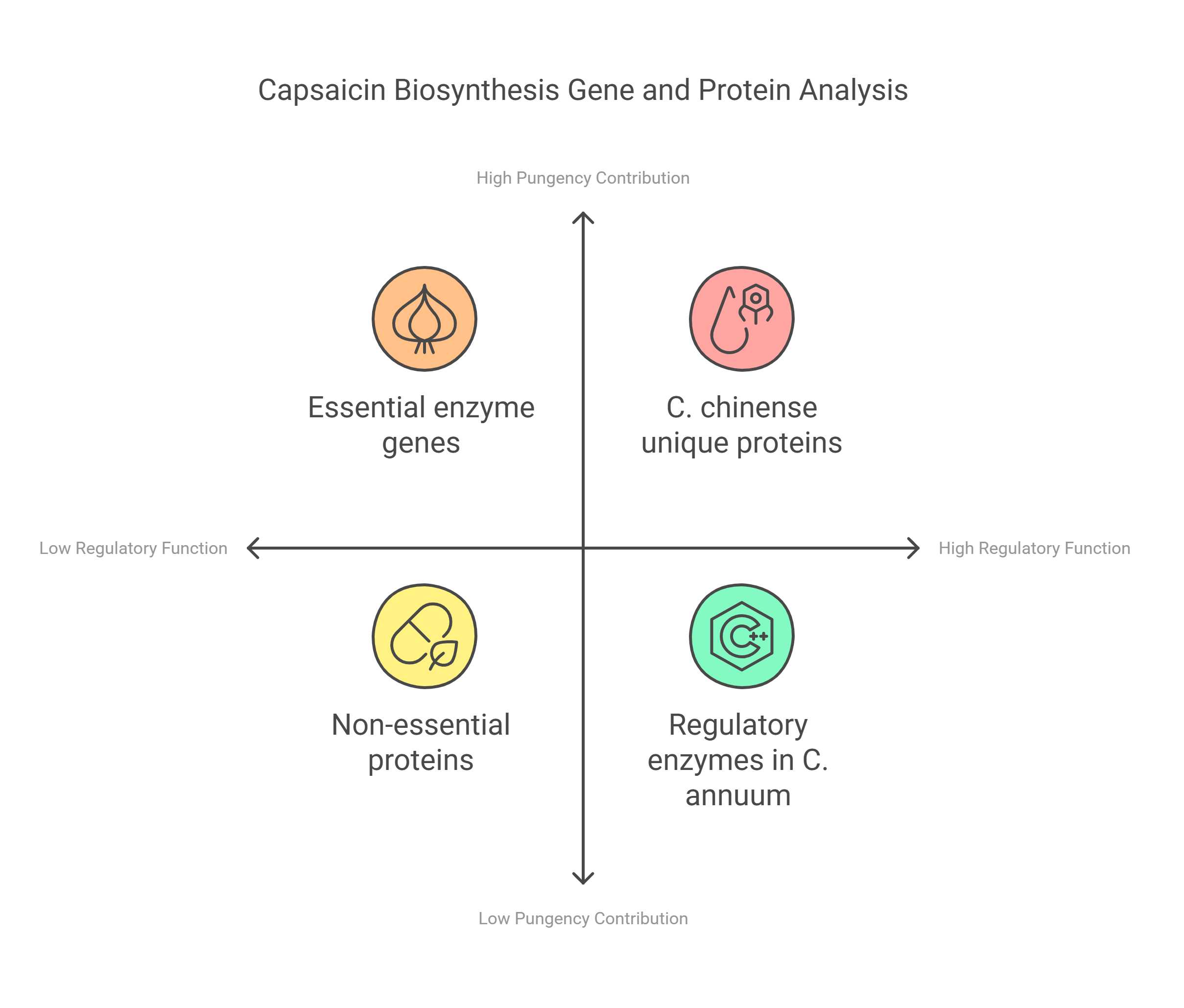
Comparative genomics and proteomics analysis on Capsicum species reveals insights about the capsaicin biosynthesis
Capsaicin is the primary capsaicinoid compound responsible for the spiciness of chilli peppers. Several known and unknown genes synthesize capsaicin through various metabolic pathways, such as the phenylpropanoid or the L-valine metabolism pathways. We conducted comprehensive comparative genomics and proteomics analyses to identify genes and proteins associated with the capsaicin pathway in

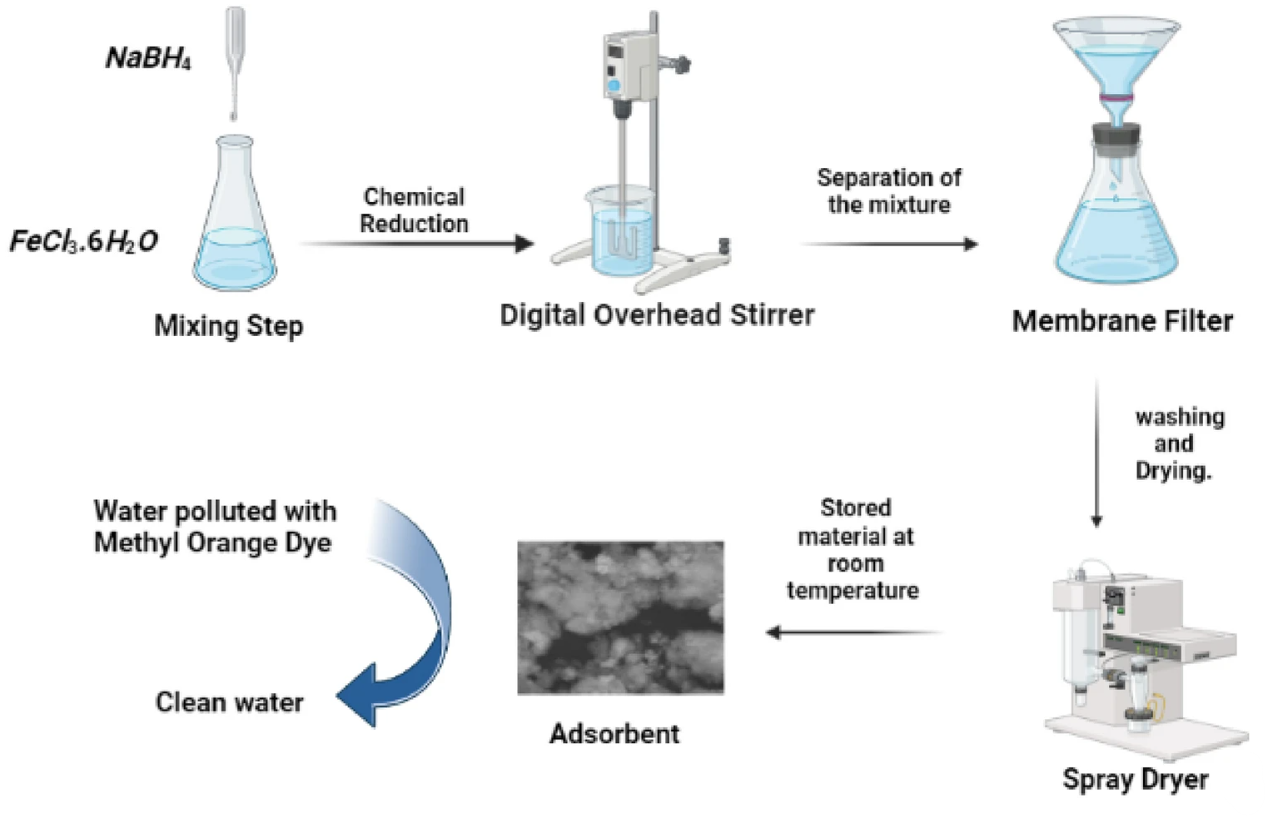
Adsorption as an Emerging Technology and Its New Advances of Eco-Friendly Characteristics: Isotherm, Kinetic, and Thermodynamic Analysis
Water contamination with paints causes a colour agent to the water that negatively affects the environment, organisms, and humans. Different physicochemical processes are applied for wastewater treatment; however, they have many drawbacks such as high cost, generating toxic waste, and non-effective at low concentrations. Adsorption is considered a promising technique for pollutant removal from

Integrated Analysis of Bulk and Single-Cell Transcriptomics in Cervical Cancer: Insights into BPGM, EGLN3, and SUN1
Cervical cancer (CC) is considered a significant global health threat to women therefore there is a need for personalized treatment strategy based on individual-specific gene expression patterns to enhance recovery and survival rates. Although a few studies have linked bisphosphoglycerate mutase (BPGM) expression with CC, its precise role in CC progression remains unclear. In this study, we
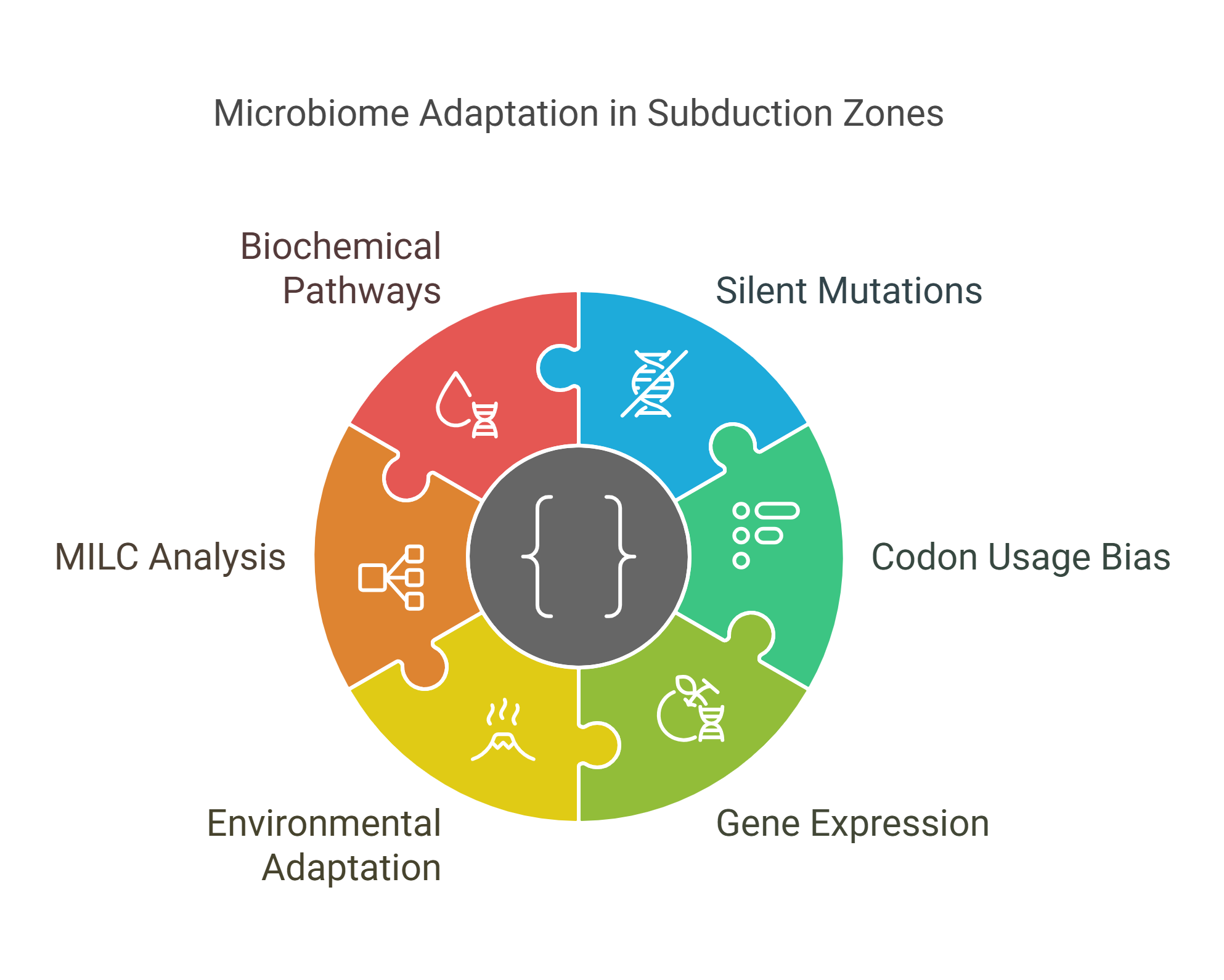
The Melody of Silent Mutations: Microbiome Adaptation Across the Subduction Zone
Silent mutations generate synonymous codons that encode the same amino acid however, they may be silent yet operative. These synonymous codons are used in unequal frequencies resulting in a phenomenon known as codon usage bias (CUB). It drives gene expression towards highly expressed and adaptation genes. In this study we investigated CUB in one of the largest, most dynamic exotic niches, the
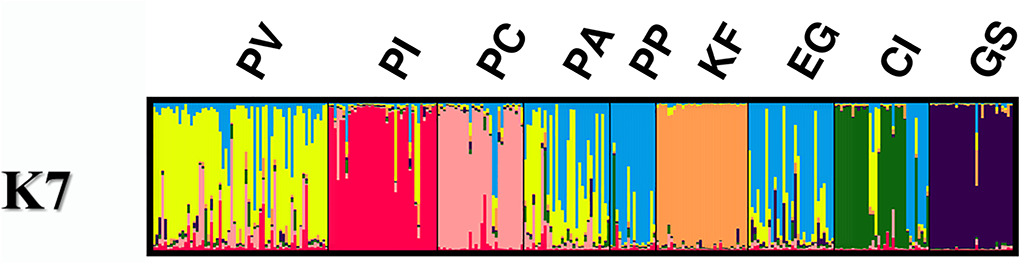
Phylogeographic and population genetic structure of hound-like native dogs of the Mediterranean Basin
The dog was probably the first domesticated animal. Despite extensive archaeological and genetic investigations, the origin and the evolution of the extant dogs are still being debated. Dog breeds that have over time been selected for hunting share common ancestral traits. This study represents the first comprehensive attempt to survey at the genomic and mitochondrial level eight hound-like dogs
Applied Techniques for Wastewater Treatment: Physicochemical and Biological Methods
Polluted water is one of the significant challenges facing the world nowadays, especially with the noticed water shortage recorded in the last period. Different treatment methods, physicochemical and biological, were presented for pollutant removal from polluted wastewater. This review discusses the treatment methods starting from the biological part to help reduction of organics, which are solids