
Synergism between Saccharomyces cerevisiae probiotic and rosemary nano-emulsion: Effect on broiler chicken meat quality and shelf life
Although several studies have investigated the effect of either probiotic feed additives or postmortem meat treatment on the quality of obtained chicken meat, the impact of combined treatment with probiotic feed additives along with meat dipping in essential oil nano-emulsion on meat shelf-life is barely examined. There-fore, this study investigated the effect of combined treatment with Saccharomyces cerevisiae yeast (SCY) and rosemary oil nano-emulsion (RNE) on the quality and shelf-life of chilled broiler meat. The experimental part consisted of adding SCY as a feed additive to broiler
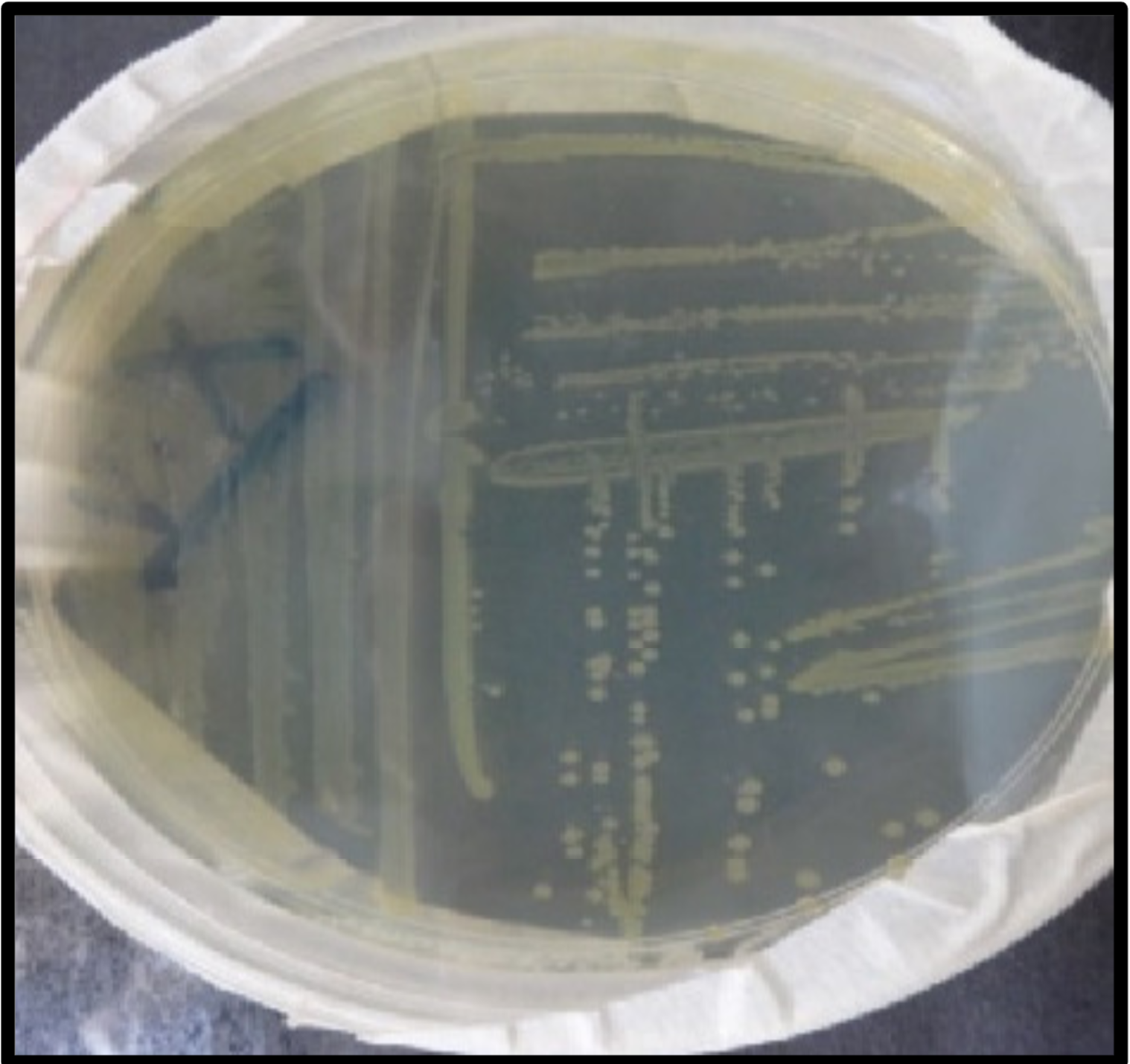
Morphogenetic characterization of Stenotrophomonas maltophilia infecting white stripe disease of rice (Oryza sativa L.)
Rice is a major cereal crop which ensure food security to more than half of the global population. Several biotic factors impact rice grain quality and its final production. White stripe disease, caused by pathogen Stenotrophomonas maltophilia is considered among the major limiting factor for reducing rice yields and quality. Present study was performed to understand the white stripe disease, which has been frequently misdiagnosed as bacterial leaf blight (BLB) due to similar symptoms. A survey was carried out based on accessibility and farmer participation to monitor incidence and sample
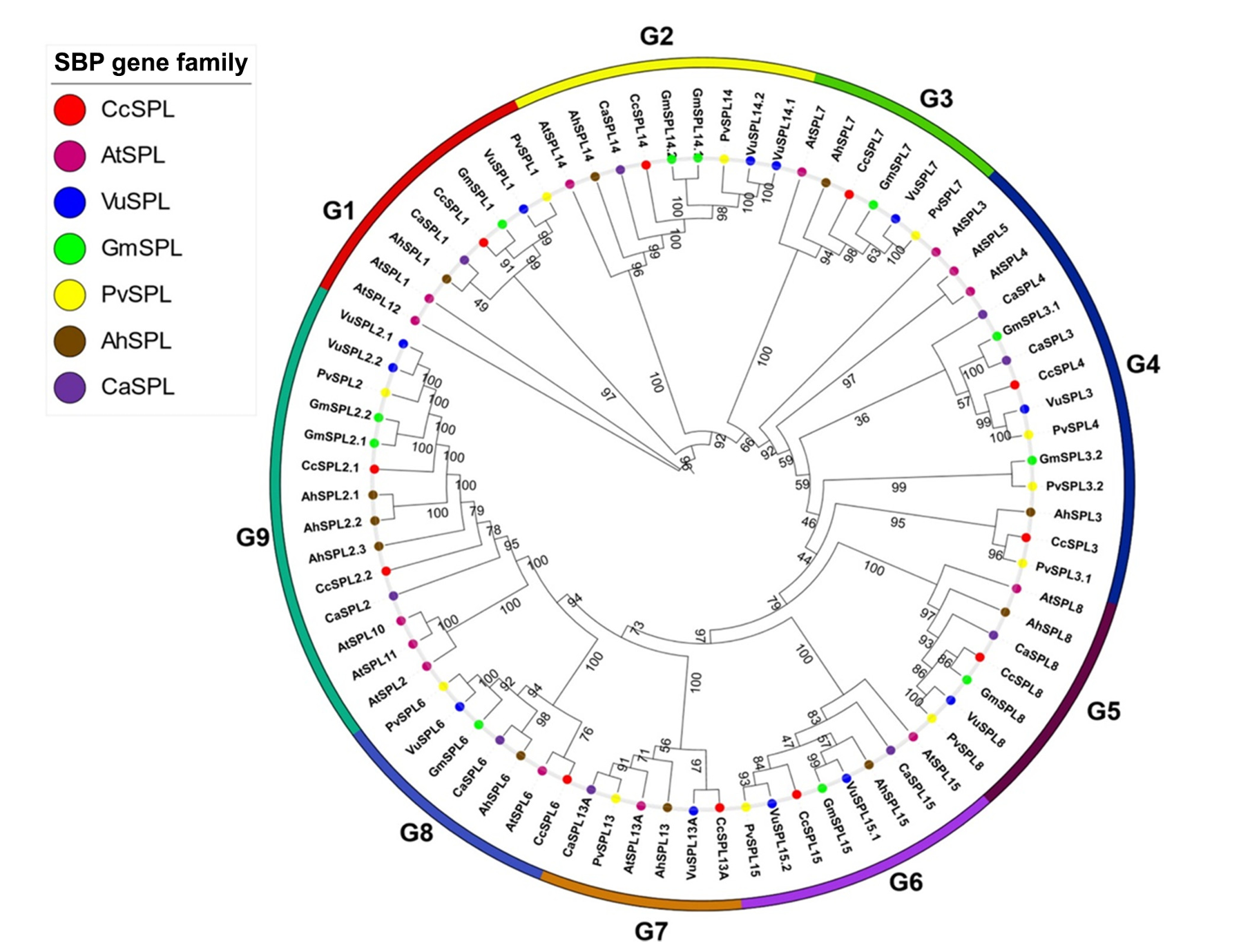
Identification and expression analysis of SBP-Box-like (SPL) gene family disclose their contribution to abiotic stress and flower budding in pigeon pea (Cajanus cajan)
The SPL gene family (for Squamosa Promoter-binding like Proteins) represents specific transcription factors that have significant roles in abiotic stress tolerance, development and the growth processes of different plants, including initiation of the leaf, branching and development of shoot and fruits. The SPL gene family has been studied in different plant species; however, its role is not yet fully explored in pigeon pea (Cajanus cajan). In the present study, 11 members of the CcSPL gene family were identified in C. cajan. The identified SPLs were classified into nine groups based on a
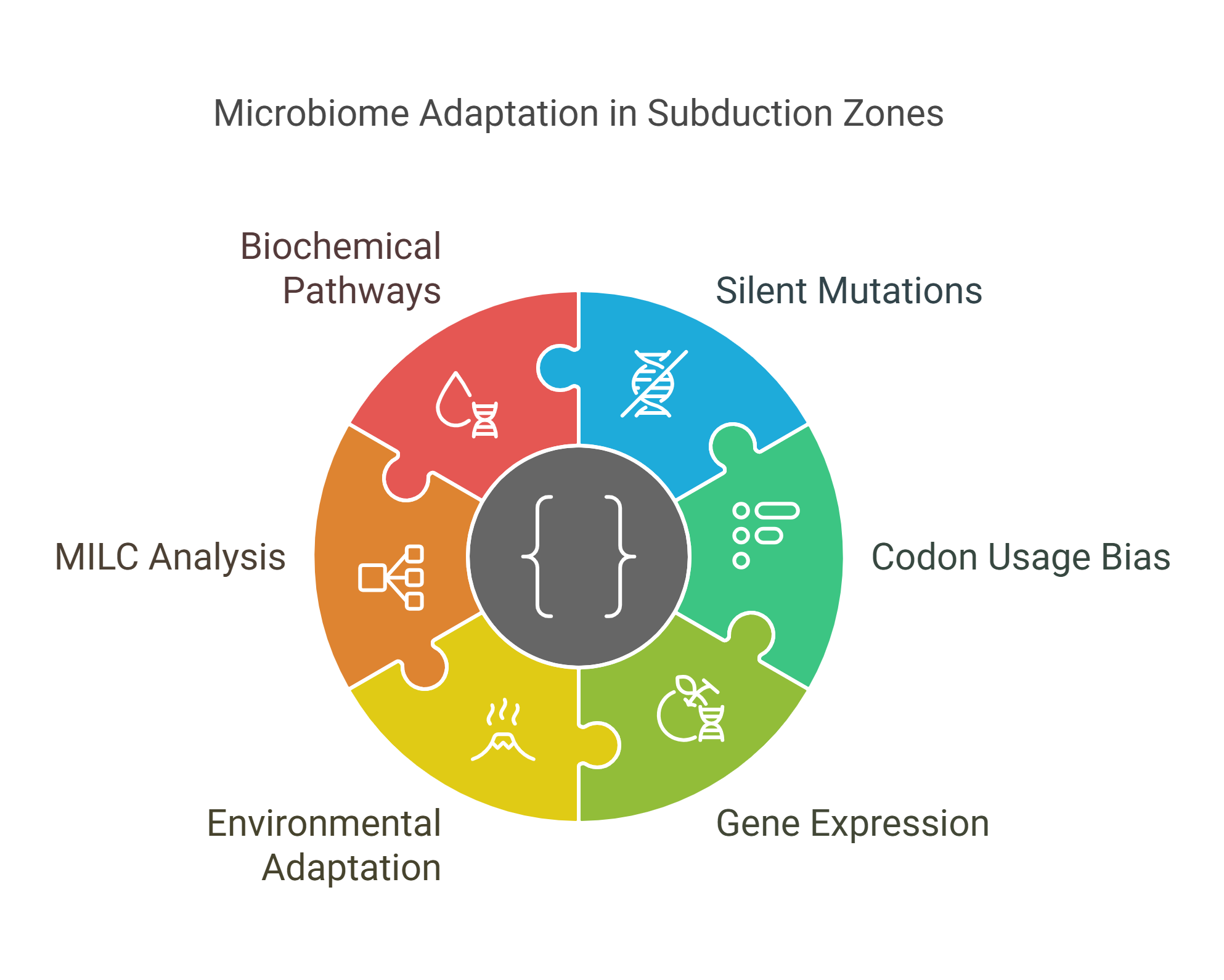
The Melody of Silent Mutations: Microbiome Adaptation Across the Subduction Zone
Silent mutations generate synonymous codons that encode the same amino acid however, they may be silent yet operative. These synonymous codons are used in unequal frequencies resulting in a phenomenon known as codon usage bias (CUB). It drives gene expression towards highly expressed and adaptation genes. In this study we investigated CUB in one of the largest, most dynamic exotic niches, the volcanic subduction zones in Costa Rica. CUB analysis in such challengingly inaccessible sites can help distinguish highly expressed genes under certain environmental factors, elucidating molecular
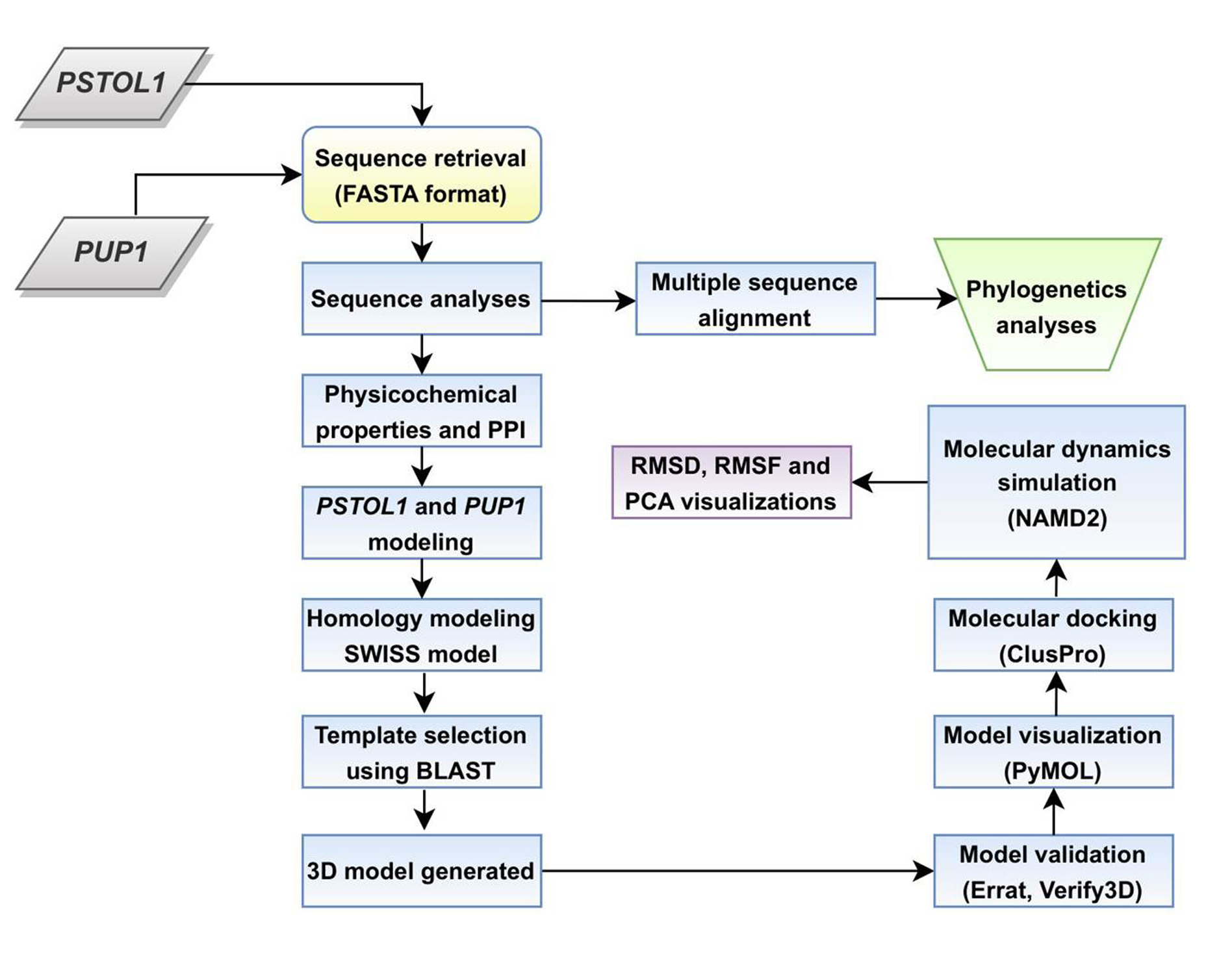
In silico analysis of the structural and functional characterization of the phosphorus-starvation tolerance 1 (PSTOL1) gene
As an important macro element for all living cells, phosphorus is essential in agricultural production systems and is required in large quantities by elite varieties of crops to maintain yields. Approximately 70% of the worldwide cultivated land suffers from phosphorous deficiency, and it has recently been estimated that the worldwide phosphorous resources will be shattered by the end of this century, thereby increasing the need to develop phosphorus-efficient crops. A greater understanding of how plants can maintain yield with lower phosphorous availability is highly desirable to both
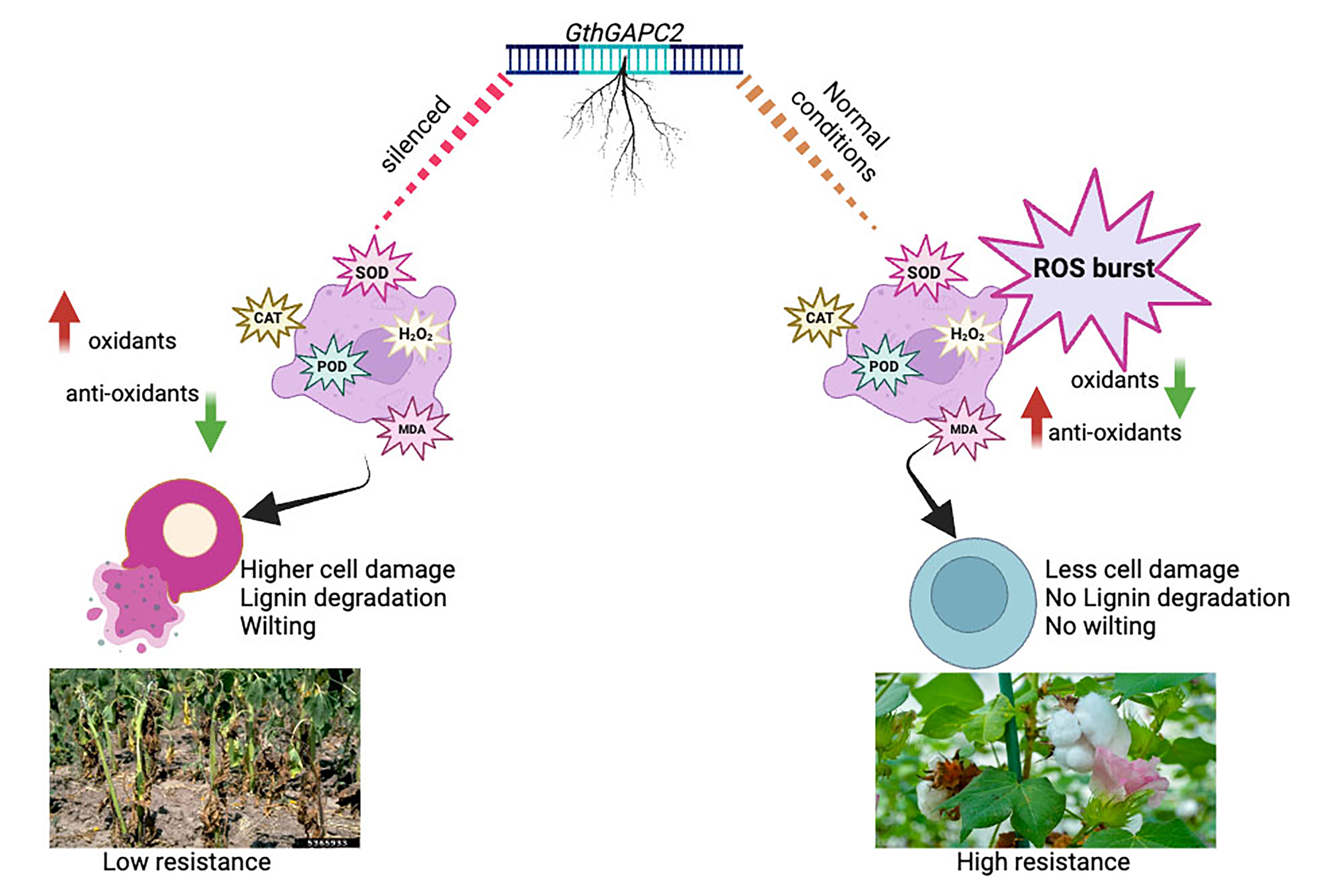
Unravelling the Functional Role of GthGAPC2 in Cotton's Defense Against Verticillium dahliae through Proteome
Cotton (Gossypium spp.) is an economically important crop, but its productivity is often hindered by the soil-borne pathogen Verticillium dahliae. This study aimed to investigate the response of cotton roots to V. dahliae infection by analysing the proteome of Gossypium thurberi (resistant) and Gossypium raimondii (susceptible) at 0 h, 24 h, and 48 h post-infection. Through weighted protein coexpression network analysis, fifteen hub proteins crucial for defense against V. dahliae were identified. Expression analysis revealed the pivotal role of GthGAPC2, encoding GLYCERALDEHYDE-3-PHOSPHATE

Integrated Analysis of Bulk and Single-Cell Transcriptomics in Cervical Cancer: Insights into BPGM, EGLN3, and SUN1
Cervical cancer (CC) is considered a significant global health threat to women therefore there is a need for personalized treatment strategy based on individual-specific gene expression patterns to enhance recovery and survival rates. Although a few studies have linked bisphosphoglycerate mutase (BPGM) expression with CC, its precise role in CC progression remains unclear. In this study, we conducted an integrated analysis for both bulk and single-cell RNA sequencing data to investigate the involvement of BPGM in CC. On the bulk RNA level, the Wilcoxon test result showed a significant
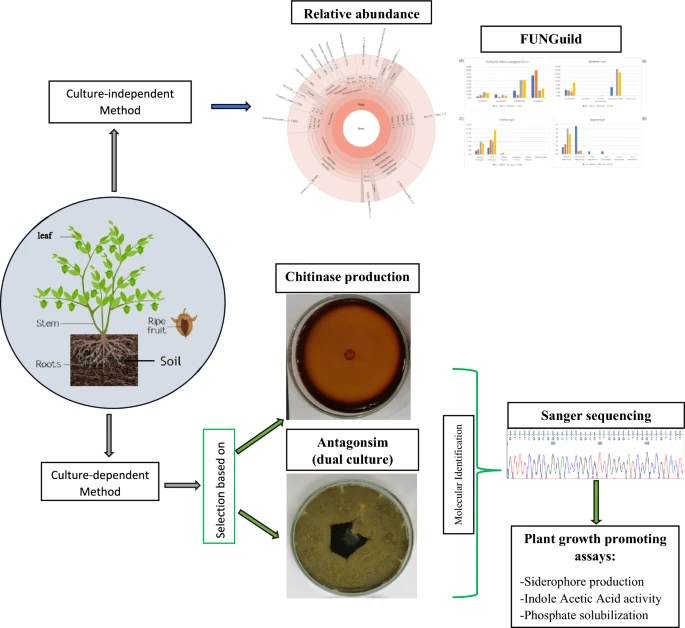
Revealing the diversity of Jojoba-associated fungi using amplicon metagenome approach and assessing the in vitro biocontrol activity of its cultivable community
Jojoba shrubs are wild plants cultivated in arid and semiarid lands and characterized by tolerance to drought, salinity, and high temperatures. Fungi associated with such plants may be attributed to the tolerance of host plants against biotic stress in addition to the promotion of plant growth. Previous studies showed the importance of jojoba as jojoba oil in the agricultural field; however, no prior study discussed the role of jojoba-associated fungi (JAF) in reflecting plant health and the possibility of using JAF in biocontrol. Here, the culture-independent and culture-dependent approaches
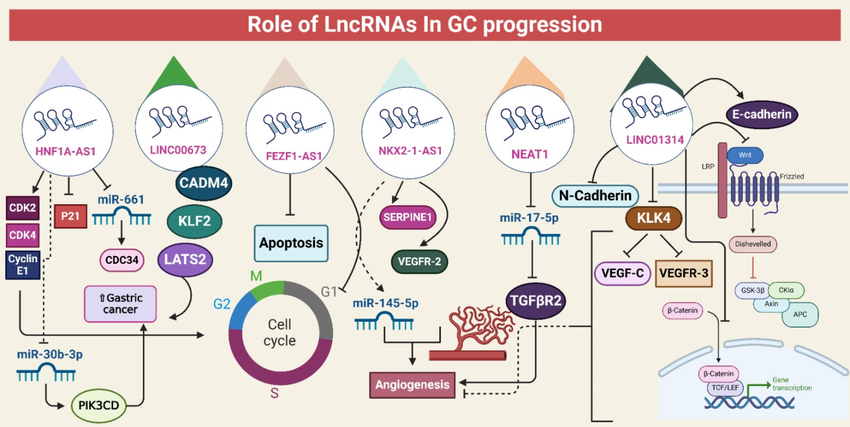
LncRNAs orchestration of gastric cancer - particular emphasis on the etiology, diagnosis, and treatment resistance
Gastric cancer (GC) remains a major public health challenge worldwide. Long non-coding RNAs (lncRNAs) play important roles in the development, progression, and resistance to the treatment of GC, as shown by recent developments in molecular characterization. Still, an in-depth investigation of the lncRNA landscape in GC is absent. However, The objective of this systematic review is to evaluate our present understanding of the role that lncRNA dysregulation plays in the etiology of GC and treatment resistance, with a focus on the underlying mechanisms and clinical implications. Research that
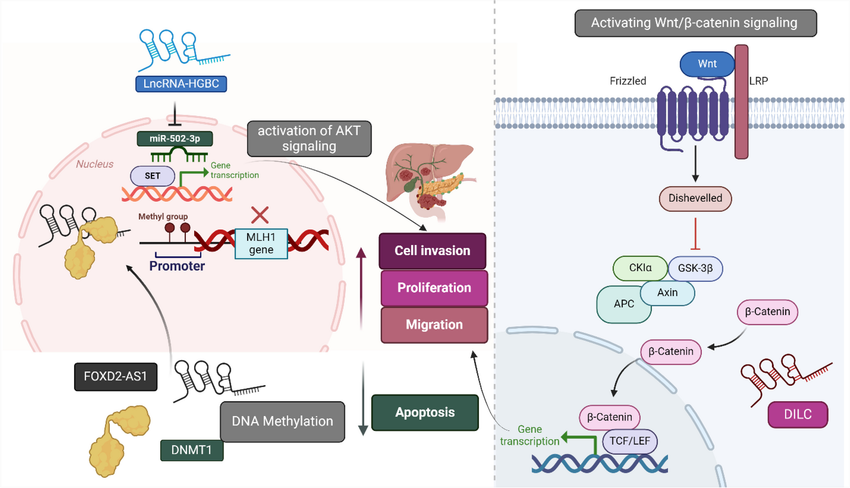
Natural products and long noncoding RNA signatures in gallbladder cancer: a review focuses on pathogenesis, diagnosis, and drug resistance
Gallbladder cancer (GBC) is an aggressive and lethal malignancy with a poor prognosis. Long noncoding RNAs (lncRNAs) and natural products have emerged as key orchestrators of cancer pathogenesis through widespread dysregulation across GBC transcriptomes. Functional studies have revealed that lncRNAs interact with oncoproteins and tumor suppressors to control proliferation, invasion, metastasis, angiogenesis, stemness, and drug resistance. Curcumin, baicalein, oleanolic acid, shikonin, oxymatrine, arctigenin, liensinine, fangchinoline, and dioscin are a few examples of natural compounds that