
An efficient optimization algorithm for modular product design
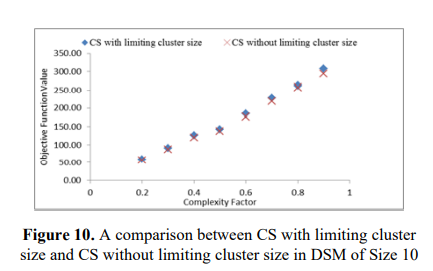
Modularity concepts play an important role in the process of developing new complex products. Modularization involves dividing a product into a set of modules - each of which consisting of a set of components - that are interdependent in the same cluster and independent between clusters. During this process, a product can be represented using a Design Structure Matrix (DSM). A DSM acts as a tool for system analysis to provide clear visualization of product elements. In addition, DSM, shows the interactions between these product elements. This paper aims to propose an efficient optimization
Modelling of Crime Record Management System Using Unified Modeling Language
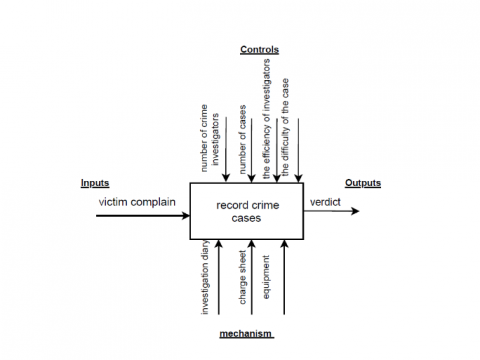
Crime records management is a system that helps police keep records of citizens’ complaints files, investigation evidence and processes. In addition, it helps police keep records of the criminals who have been arrested or who are to be arrested. This paper aims to model the Crime Record Management System (CRMS) using various Unified Modeling Language (UML) diagrams, to demonstrate an explicit visualization of the system. Also, showing the communication among different actors, and the sequence of activities and interactions. The perspective of modeling the CRMS is by covering four stages, which
Modelling of agent-based vehicle routing problem using unified modelling language
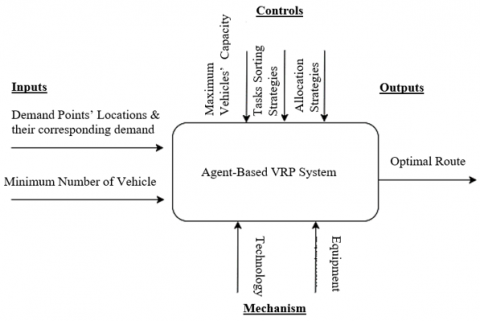
The Vehicle Routing Problem (VRP) is among the most studied optimization problems in the field of supply chain management. Typically, VRP requires dispatching a fleet of vehicles from a central depot to deliver demand to pre-determined spatially dispersed customers, with the objective of minimizing the total routing cost, and the constraint of not exceeding vehicles' capacities. Agent Based Modelling (ABM) assists industries in the use of technology to support their decision-making process. This paper proposes a model of an Agent Based Vehicle Routing Problem System. The system under study is
Enhancing barrier properties of chitosan extracted from shrimp shells as a sustainable material for active packaging using natural wastes
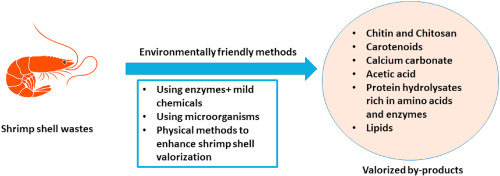
Due to the environmental concerns, much responsiveness has been paid to natural polymers and recycle wastes. Disposal of wastes like marine wastes and domestic wastes end up in landfills and open areas which cause environmental crisis. The development of biodegradable active packaging materials is one of the alternatives to reduce the using of synthetic petroleum-based plastics. Biodegradable films are made from biopolymers that were shown to have affinities in improving the shelf life of food product. © 2021 Nova Science Publishers, Inc.
E-learning system model for university education using uml
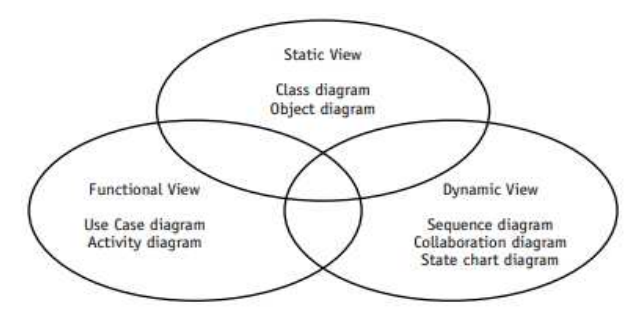
High quality education should be the top priority for any nation seeking prosperity. This paper aims to present a conceptual model for e-learning system for developing countries. This is achieved adopting an object-oriented approach and Unified Modeling Language (UML). The functional and dynamic views of the system are presented and explained within this framework. The functional system includes Use Case diagrams and activity diagrams which are developed based on predefined functional requirements of the system. Furthermore, in the dynamic view of the system, interaction diagrams are developed

UML Modeling of Online Public Bus Reservation System in Egypt
Designing a proper public transportation system is a main concern for many countries with large population size like Egypt. Therefore, the online based transportation business for individuals is highly growing in Egypt and the concept of online reservation in the transportation field has arisen. In this paper, a model in the analysis phase for an online public bus reservation system (OPBRS) is proposed. The system is large, complex and includes many interrelated functions. Therefore, the object-oriented modeling approach is chosen for developing the system by using the industry standard
Ergonomic analysis of a working posture in steel industry in Egypt using digital human modeling
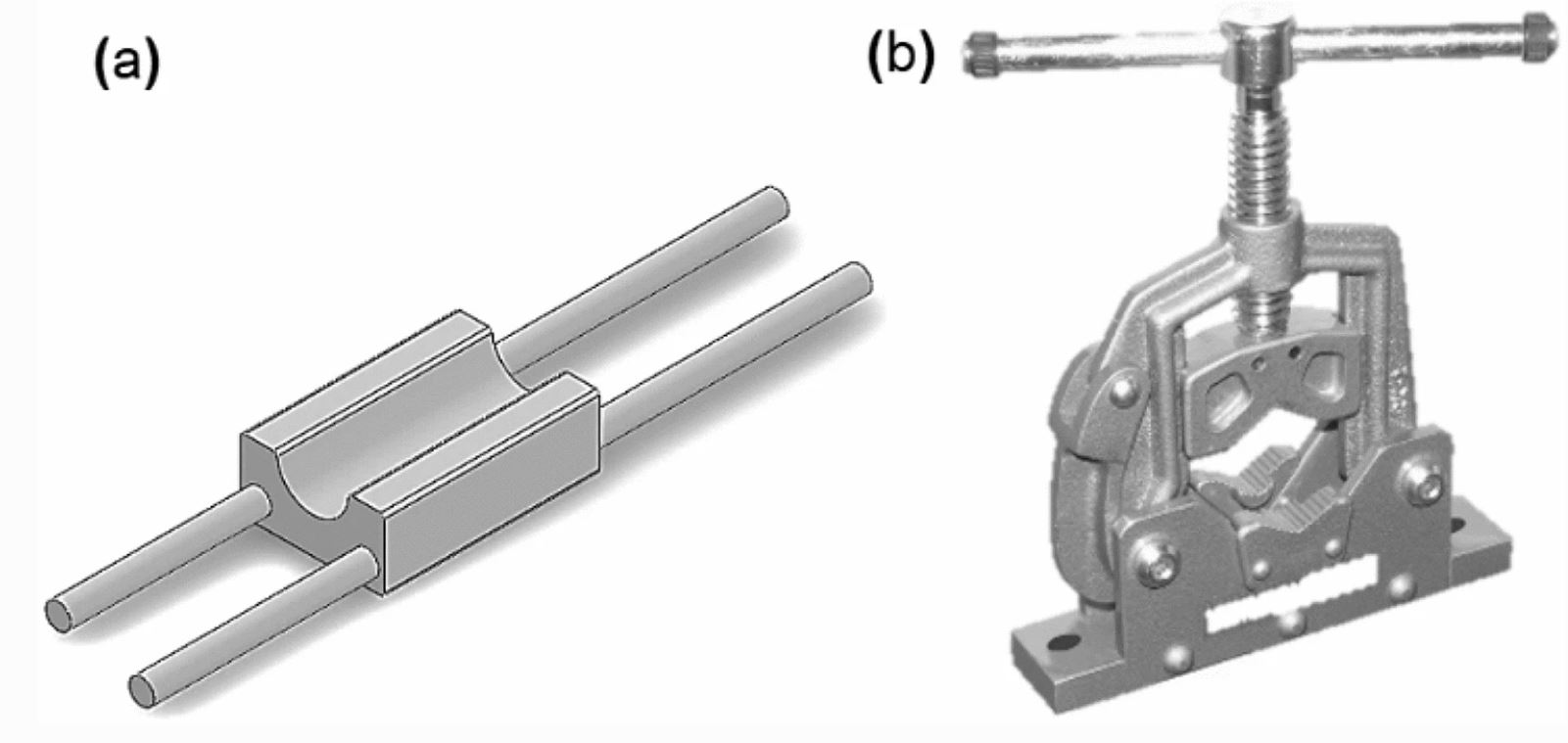
This study presents solutions for improving a bending awkward posture in steel industry in Egypt using digital Human Modeling (DHM). The information is gathered by interviewing the workers, working postures are recorded via a video camera while the worker is performing his usual work. The postures are analyzed using DHM software. Porter comfort analysis and Rapid Upper Limb Assessment are applied for postures analysis. The analysis shows high levels of discomfort in neck, trunk, leg and forearm. These discomforts could cause permanent injuries over long periods. A modified design is proposed
Tandem Organic Solar Cell Optimization Using Response Surface Methodology
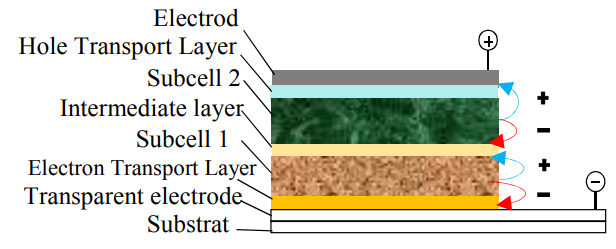
Organic solar cells have many advantages such as their ease of manufacturing, flexibility, and low cost compared to perovskite and silicon solar cells. However, increasing their power conversion efficiency (PCE) is still challenging. In this paper, response surface methodology of design of experiments (DOE) is used to optimize the PCE of a tandem organic solar cell. The cell is based on boron sub-phthalocyanine to reduce the series resistance between the layers. The optimization process is performed by formulating an empirical polynomial regression model relating the PCE to the active layers'
Fabrication of bio-plastic composite pellets from agricultural waste and food waste
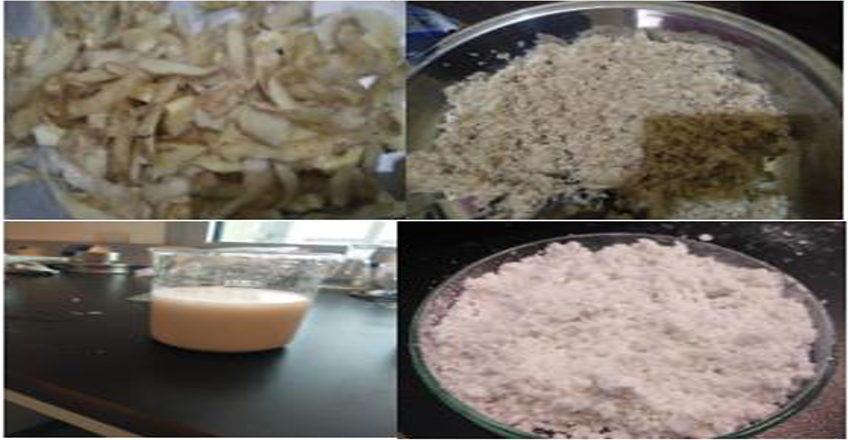
This study aims to produce starch bioplastic pellets from food waste such as potato peels. Measuring the ease of flow of the melt is crucial for producing these pellets. The melt flow index (MFI) is measured in this study to evaluate the consistency of the produced pellets and determine the extent of degradation of the plastic because of molding. This study investigates the effect of adding different fillers to the starch matrix on reducing the MFI value. The fillers used in this work are nano chitosan, nano potato peel, and micro cellulose fillers. The fillers were used with different
Improving Productivity of A Production Line in Perfumes Industry in Egypt Using Lean Manufacturing Methodology
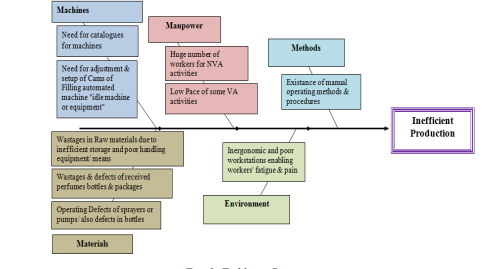
This study presents proposed solutions for increasing the productivity of a production line in the perfumes industry in Egypt using lean manufacturing methodology. Enhancing efficiency is a major significant objective to consider in a typical manufacturing firm to improve the overall performance. Increasing productivity is achieved through applying an extensive lean program implementing appropriate lean tools to solve problems identified as wastage in materials and activities as well as bottlenecks increasing lead time. Information of current problems and gaps are gathered through visits and