
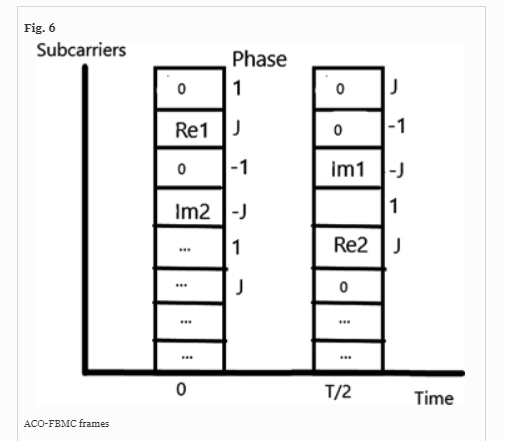
Asymmetrical clipping optical filter bank multi-carrier modulation scheme
Filter bank multi-carrier (FBMC) is considered a promising alternative to the Orthogonal Frequency Division Multiplexing (OFDM) scheme. It improves spectral efficiency by eliminating the need for cyclic prefix while attenuating interference due to the robustness of the out-of-band emission. In this work, we present a framework, and the performance evaluation of FBMC is a multi-carrier modulation scheme for the direct detection of optical communications. As the proposed model has higher spectral efficiency than the classical ACO-OFDM, as removing the guard interval enhances the spectral
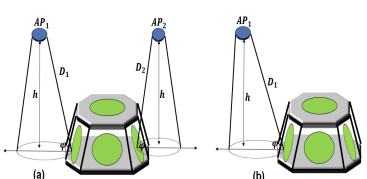
Indoor localization and movement prediction algorithms with light-fidelity
Indoor localization has recently attended an increase in interest due to the potential for a wide range of services. In this paper, indoor high-precision positioning and motion prediction algorithms are proposed by using light fidelity (LI-FI) system with angular diversity receiver (ADR). The positioning algorithm uses to estimate the location of an object in the room. Furthermore, the prediction algorithm applies to predict the motion of that object. The simulation results show that the average root mean squares error of the positioning algorithm is about 0.6 cm, and the standard deviation
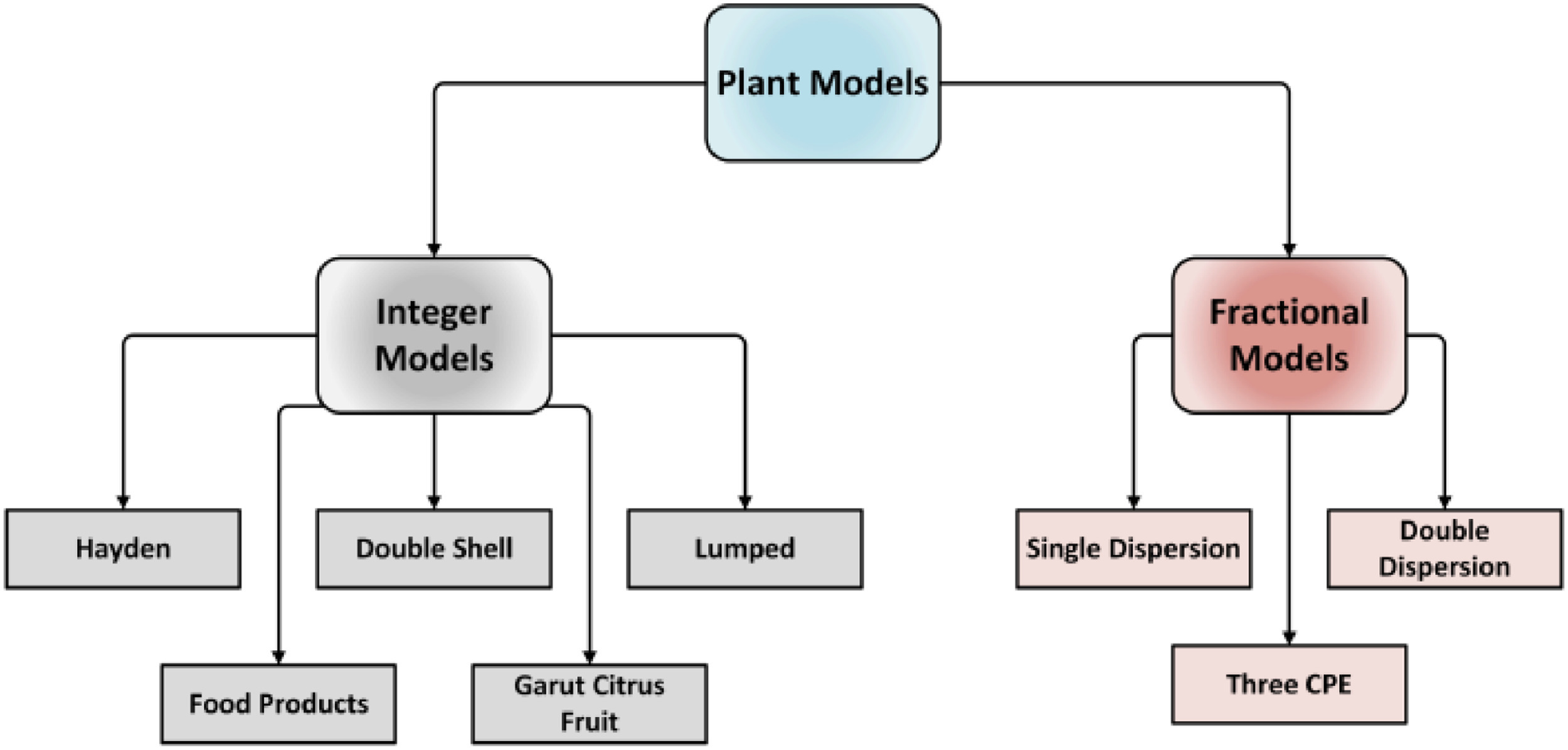
Experimental investigation of innovative active packaging biofilms using electrical impedance spectroscopy
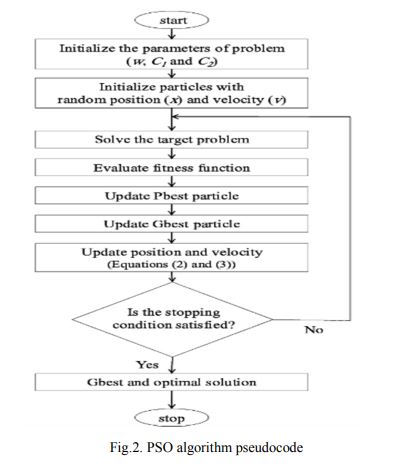
Controller Design and Optimization of Magnetic Levitation System (MAGLEV) using Particle Swarm optimization technique and Linear Quadratic Regulator (LQR)
Magnetic Levitation System is one of practical examples which faces some nonlinearities behavior. Such systems require special types of controller parameters consideration for accurate results. In this paper, the process of tuning is to determine the system poles and getting them away from the instability region using state feedback (SF) controller methodology. The resulted controllable system parameters are estimated using LQR controller. Since the desired goal is to minimize vital parameters in the system behavior like the steady state error, settling time, raising time of the system and
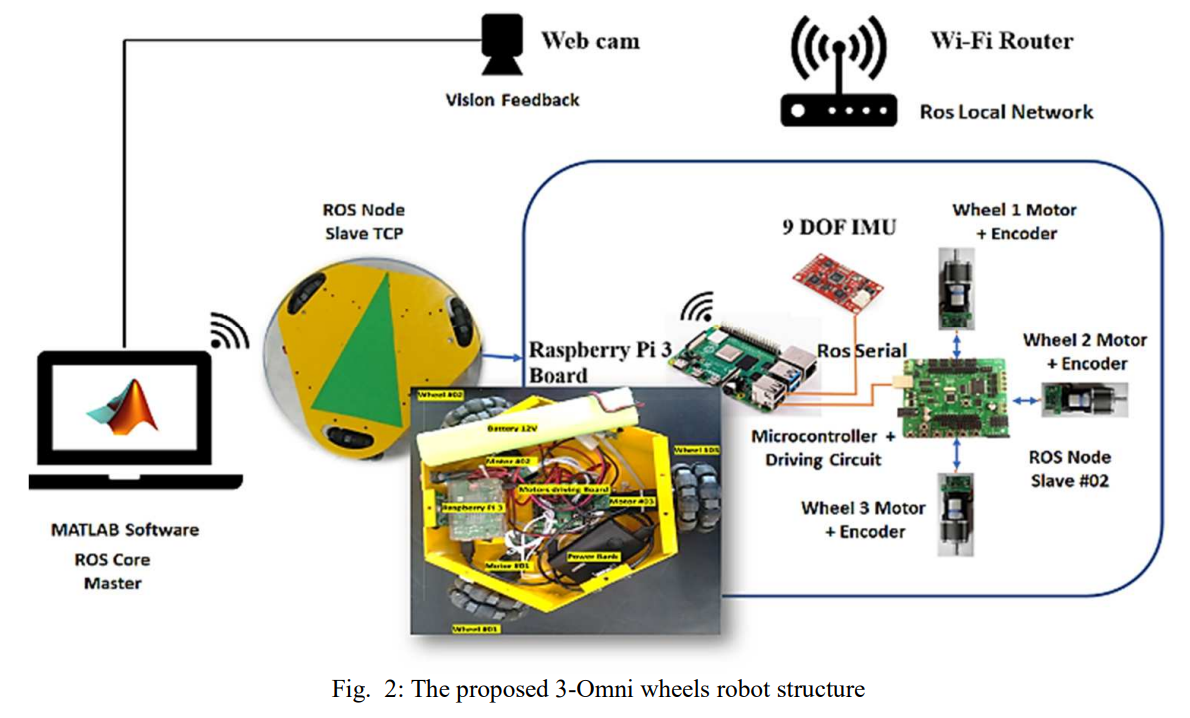
Gray Wolf Optimization of Fractional Order Control of 3-Omni Wheels Mobile Robot: Experimental Study
Committing robotics with artificial intelligence becomes mandatory collaboration with distinct environments. Omnidirectional Wheeled (Omni-WD) mobile robots are one of the robots that interact with humans in various circumstances, where it is important to function effectively and accurately. In this paper, the distinction of a 3WD-Omni model and control using machine vision is demonstrated. The use of fractional order (FO) calculus has been stated to increase the degrees of freedom of the controller over the integer ones. Hybridization of FO control and metaheuristics optimization is reported
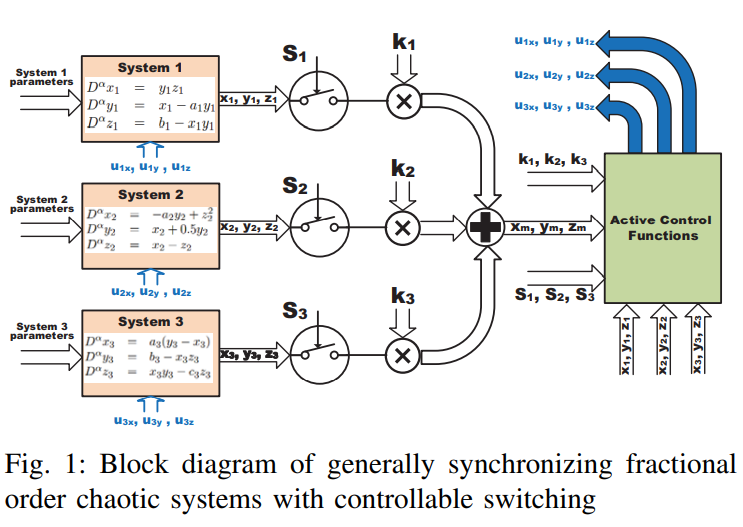
Switched active control synchronization of three fractional order chaotic systems
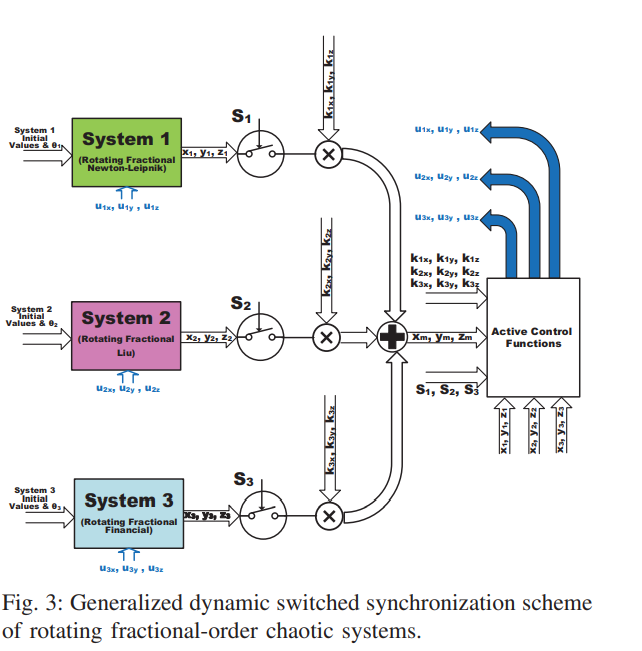
This paper discusses the continuous effect of fractional order parameter on two chaotic systems. Switched synchronization of three different fractional order chaotic systems is presented as an extension for synchronizing two different systems using active control. The proposed technique, which is based on the switching parameters and the scaling factors that control the choices of master and slave systems, is explained. The NonStandard Finite Difference method is used for the numerical solution of the fractional order master and slave systems. Four cases and many numeric simulations are
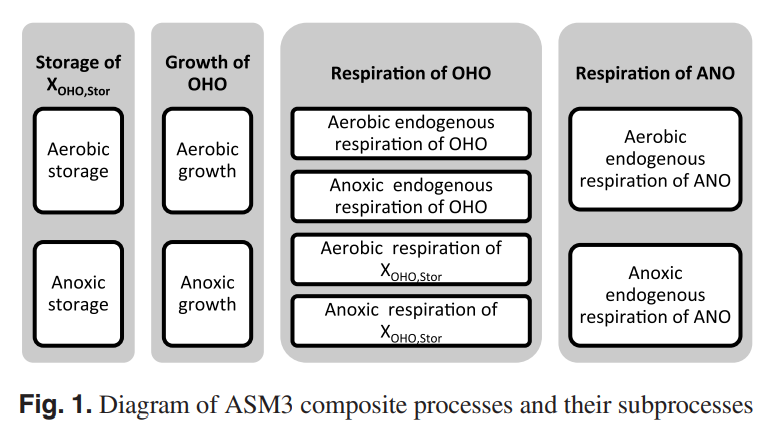
Comparison and database development of four recent ASM3 model extensions
In the last decade, many Activated Sludge Model No. 3 (ASM3) extensions were proposed to adopt new concepts such as simultaneous storage and growth of heterotrophic organisms and two-step nitrification-denitrification processes. From these ASM3 model extensions, four are included in this study: ASM3 with two-step nitrification-denitrification, ASM3 for simultaneous autotrophic and heterotrophic storage-growth, ASM3 extension for two-step nitrification-denitrification, and ASM3 for simultaneous storage-growth and nitrification-denitrification. The four models are analyzed and compared to the
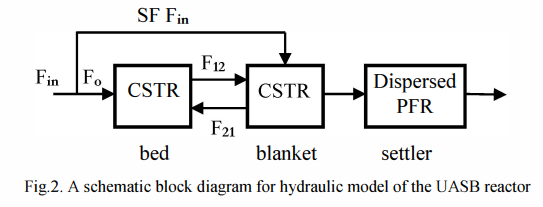
Mathematical modeling of Upflow Anaerobic Sludge Blanket reactor in domestic wastewater treatment
This paper introduces a dynamic model to adequately describe an Upflow Anaerobic Sludge Blanket (UASB) reactor. Some available models of a UASB reactor are discussed in order to modify their drawbacks and propose a new improved model with less complexity and more reliability. The developed model is a combination of two recent models introduced in Sweden. According to this model, a UASB rector is divided hydraulically into three compartments with integration of a kinetic model. Simulations are performed to investigate the validity of the developed model which indicates a good agreement with
All-Dynamic Synchronization of Rotating Fractional-Order Chaotic Systems
This paper proposes generalized controllable strange attractors through dynamic rotation of fractional-order chaotic systems. Dynamic rotation angle enables the generation of multi-scroll and multi-wing attractors from single and double-scroll ones. The rotating systems are integrated with a generalized dynamic switched synchronization scheme. Dynamic control switches determine whether each system plays the role of master or slave. Based on dynamic scaling factors, the master can be one system or a combination of several ones with new strange attractors. The rotating fractional-order systems
Ecosystems for the development of multi-core and many-core SoC models
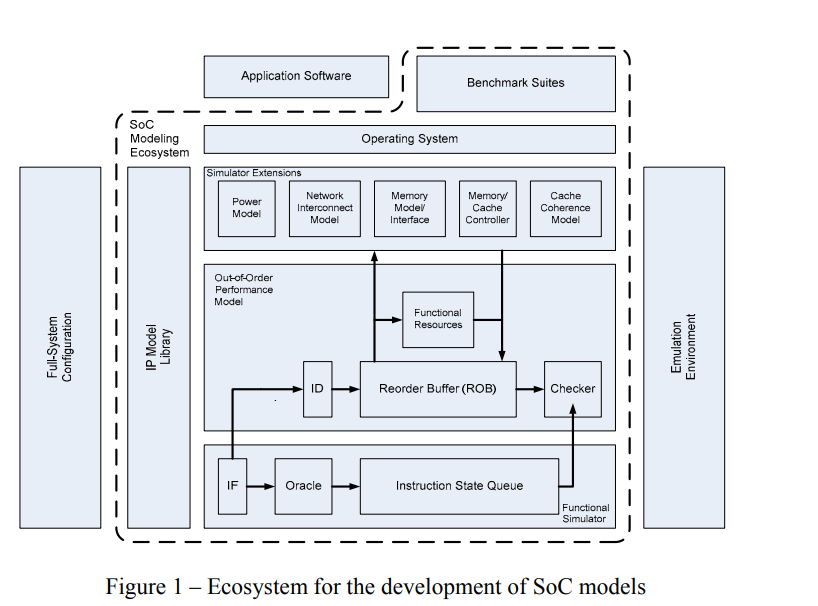
Multi-core and many-core Systems-on-Chip (SoC) are growing more complex than ever. Consequently, developing system models for such SoCs to guide and validate architectural and implementation decisions is becoming a daunting task. It consumes a huge amount of time and effort just to get the model up and running. Although these system models can be fairly abstracted, they still require the setup of a complicated platform to model a homogeneous or a heterogeneous mix of processing cores, a network-on-chip, cache memories, input-output interfaces as well as several other functional units. The