Integrated Analysis of Bulk and Single-Cell Transcriptomics in Cervical Cancer: Insights into BPGM, EGLN3, and SUN1
Cervical cancer (CC) is considered a significant global health threat to women therefore there is a need for personalized treatment strategy based on individual-specific gene expression patterns to enhance recovery and survival rates. Although a few studies have linked bisphosphoglycerate mutase (BPGM) expression with CC, its precise role in CC progression remains unclear. In this study, we conducted an integrated analysis for both bulk and single-cell RNA sequencing data to investigate the involvement of BPGM in CC. On the bulk RNA level, the Wilcoxon test result showed a significant
Revealing the diversity of Jojoba-associated fungi using amplicon metagenome approach and assessing the in vitro biocontrol activity of its cultivable community
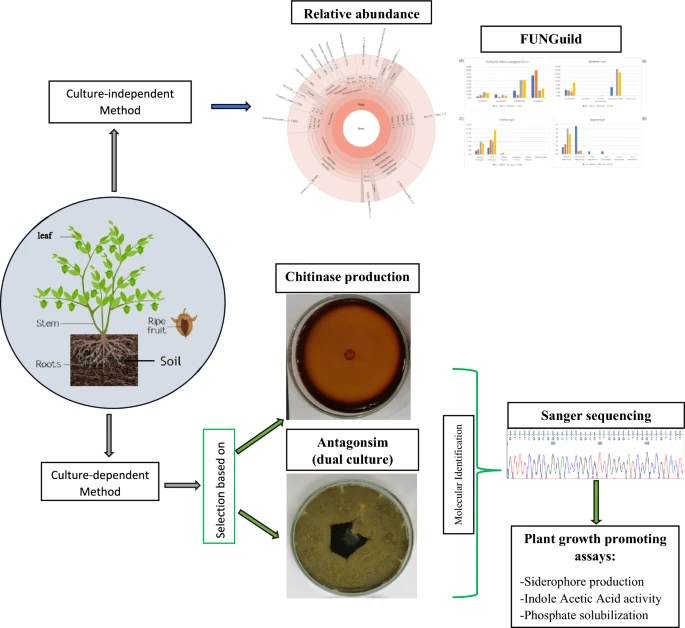
Jojoba shrubs are wild plants cultivated in arid and semiarid lands and characterized by tolerance to drought, salinity, and high temperatures. Fungi associated with such plants may be attributed to the tolerance of host plants against biotic stress in addition to the promotion of plant growth. Previous studies showed the importance of jojoba as jojoba oil in the agricultural field; however, no prior study discussed the role of jojoba-associated fungi (JAF) in reflecting plant health and the possibility of using JAF in biocontrol. Here, the culture-independent and culture-dependent approaches
RNA editing-induced structural and functional adaptations of NAD9 in Triticum aestivum under drought stress
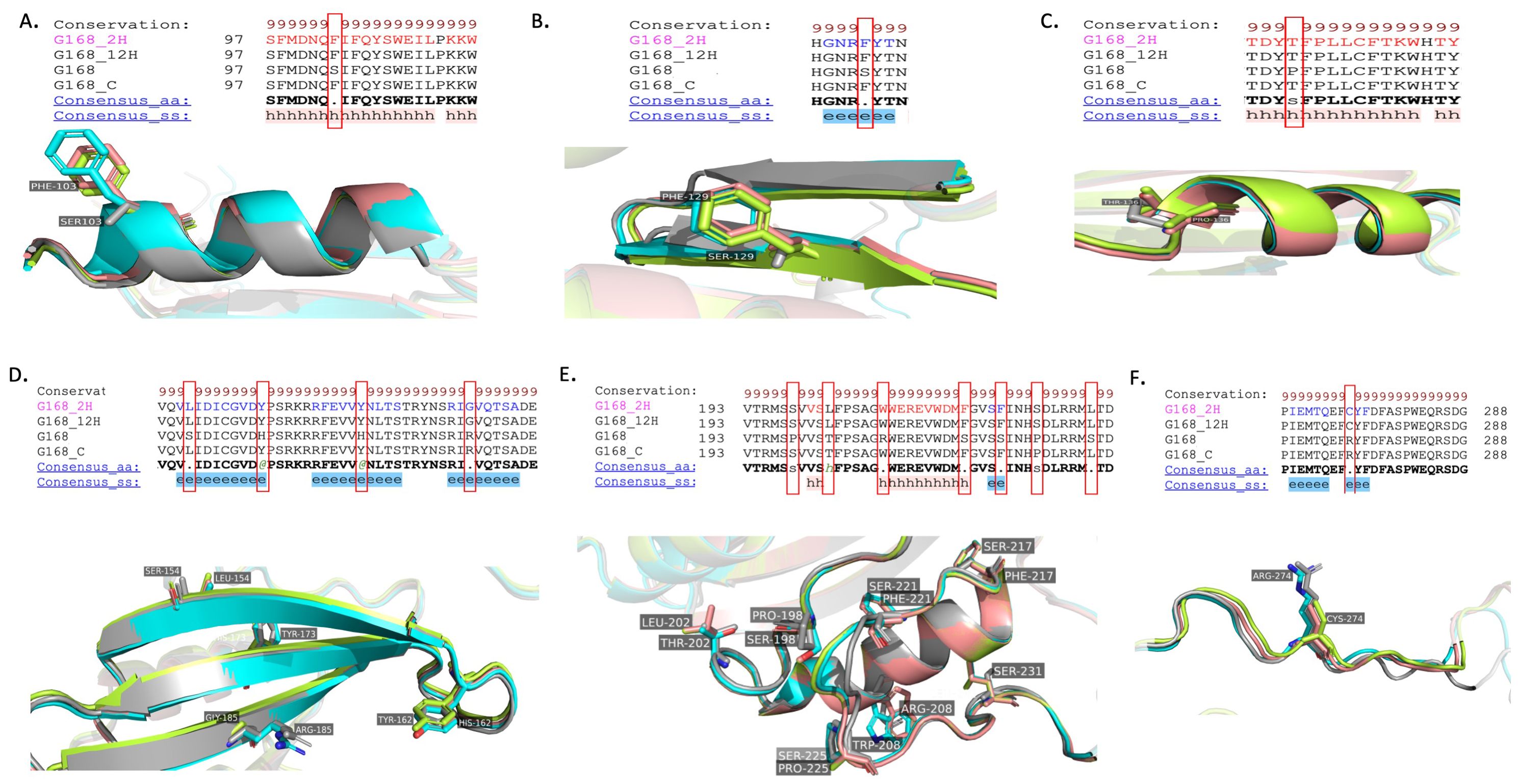
Introduction: Mitochondria are essential organelles in eukaryotic cells, producing ATP through the electron transport chain to supply energy for cellular activities. Beyond energy production, mitochondria play crucial roles in cellular signaling, stress responses, and the regulation of reactive oxygen species. In plants, mitochondria are one of the keys to responding to environmental stresses which can significantly affect crop productivity, particularly in crops like wheat. RNA editing, a post-transcriptional RNA modification process in mitochondria, is linked to regulating these stress
LncRNAs orchestration of gastric cancer - particular emphasis on the etiology, diagnosis, and treatment resistance
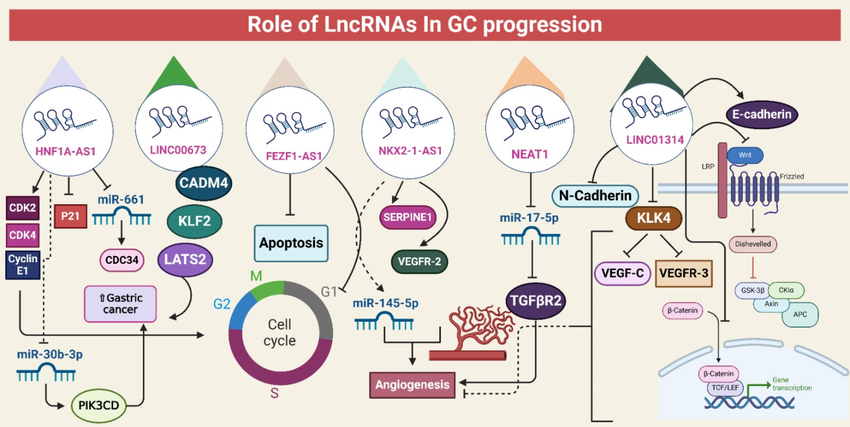
Gastric cancer (GC) remains a major public health challenge worldwide. Long non-coding RNAs (lncRNAs) play important roles in the development, progression, and resistance to the treatment of GC, as shown by recent developments in molecular characterization. Still, an in-depth investigation of the lncRNA landscape in GC is absent. However, The objective of this systematic review is to evaluate our present understanding of the role that lncRNA dysregulation plays in the etiology of GC and treatment resistance, with a focus on the underlying mechanisms and clinical implications. Research that
Applied Techniques for Wastewater Treatment: Physicochemical and Biological Methods
Polluted water is one of the significant challenges facing the world nowadays, especially with the noticed water shortage recorded in the last period. Different treatment methods, physicochemical and biological, were presented for pollutant removal from polluted wastewater. This review discusses the treatment methods starting from the biological part to help reduction of organics, which are solids that appear in the wastewater. After that, the physicochemical techniques will be discussed as a second part of the treatment process to minimize the heavy metal, dyes, and other pollutants
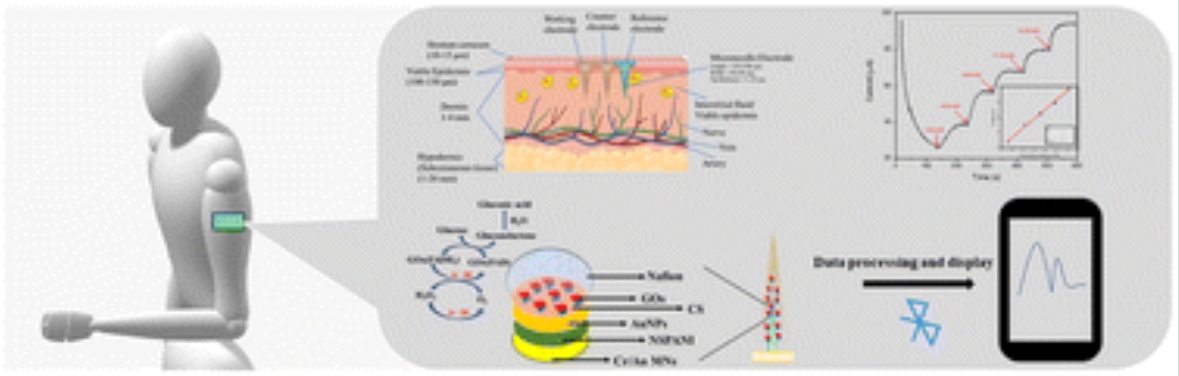
Early detection of hypo/hyperglycemia using a microneedle electrode array-based biosensor for glucose ultrasensitive monitoring in interstitial fluid
Diabetes is a common chronic metabolic disease with a wide range of clinical symptoms and consequences and one of the main causes of death. For the management of diabetes, painless and continuous interstitial fluid (ISF) glucose monitoring is ideal. Here, we demonstrate continuous diabetes monitoring using an integrated microneedle (MN) biosensor with an emergency alert system. MNs are a novel technique in the field of biomedical engineering because of their ability to analyze bioinformation with minimal invasion. In this work we developed a poly(methyl methacrylate) (PMMA) based MN glucose
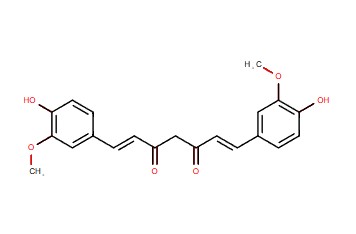
Mitoepigenetics pathways and natural compounds: a dual approach to combatting hepatocellular carcinoma
Hepatocellular carcinoma (HCC) is a leading liver cancer that significantly impacts global life expectancy and remains challenging to treat due to often late diagnoses. Despite advances in treatment, the prognosis is still poor, especially in advanced stages. Studies have pointed out that investigations into the molecular mechanisms underlying HCC, including mitochondrial dysfunction and epigenetic regulators, are potentially important targets for diagnosis and therapy. Mitoepigenetics, or the epigenetic modifications of mitochondrial DNA, have drawn wide attention for their role in HCC
Adsorption as an Emerging Technology and Its New Advances of Eco-Friendly Characteristics: Isotherm, Kinetic, and Thermodynamic Analysis
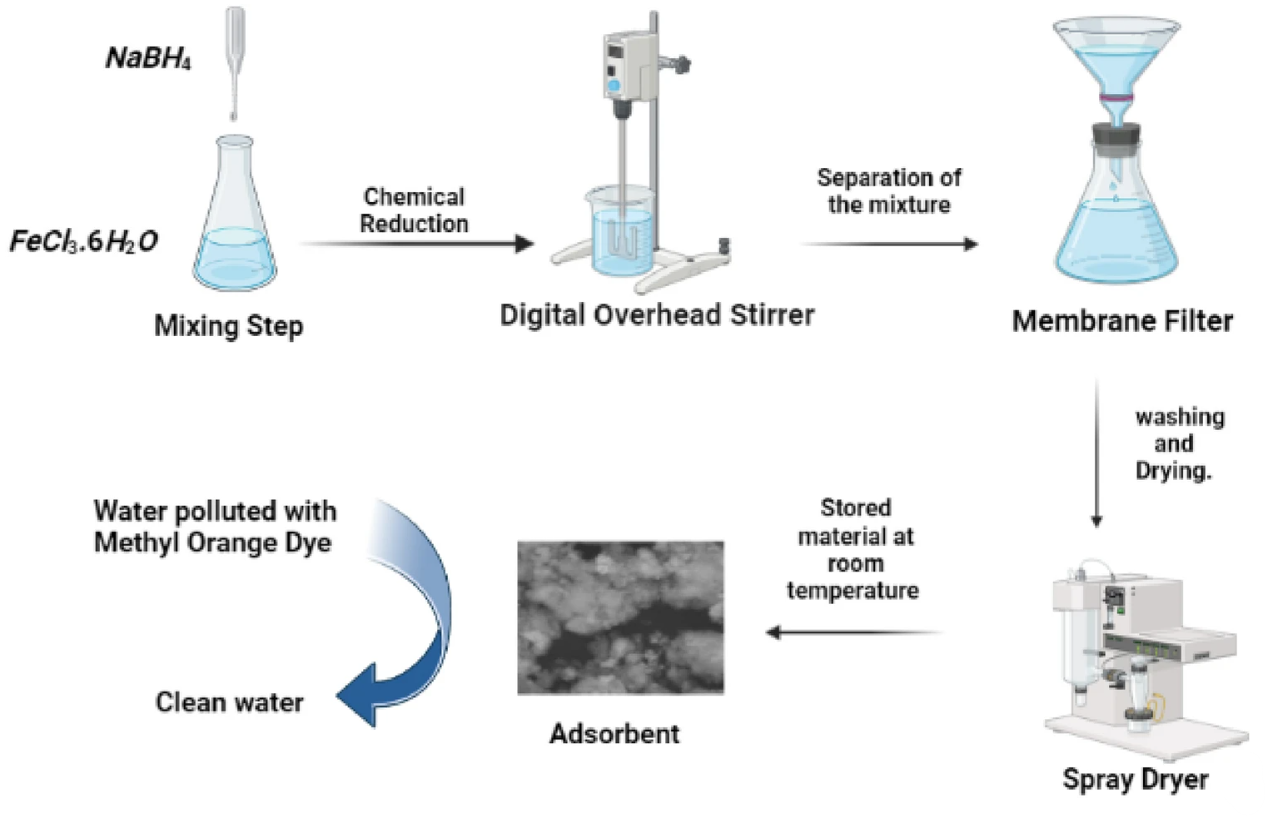
Water contamination with paints causes a colour agent to the water that negatively affects the environment, organisms, and humans. Different physicochemical processes are applied for wastewater treatment; however, they have many drawbacks such as high cost, generating toxic waste, and non-effective at low concentrations. Adsorption is considered a promising technique for pollutant removal from polluted wastewater. Commercial activated carbon, nano-materials, and natural biological materials are used as adsorbents in adsorption. This chapter focuses on discussing the adsorption process, the
Water Importance and Pollution Sources-Recommended Limits of Pollutants
There are many water resources like rivers, seas, rains, and groundwater, which can be used in different sectors such as agricultural, domestic, and industrial uses. Therefore, different wastewater effluents with different properties are produced depending on their source. Industrial wastewater is one of the most harmful effluents due to the presence of toxic pollutants such as heavy metals, dyes, and other toxic substances. Usually, water is used in different industries for different internal processes, and then the resulting wastewater is discharged without treatment into the water resources