
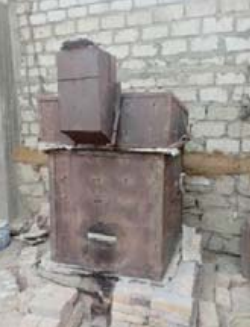
Cold flow numerical simulation inside local pottery furnace for different designs for the air inlet
One of the many pleasures of living in Egypt is having the opportunity to visit places like a village called Tunis in El-Fayoum governorate which is a touristic village and export art and handicraft such as Pottery for 3-4 decades. The clay processing in the traditional pottery industry contains several stages. The process and quality of the pottery have to be improved to reduce pollution and the manufacturing round time which could be done through improving the heating process. Towards this goal, turbulent three-dimensional numerical simulations for the in-use air inlet and a modified design
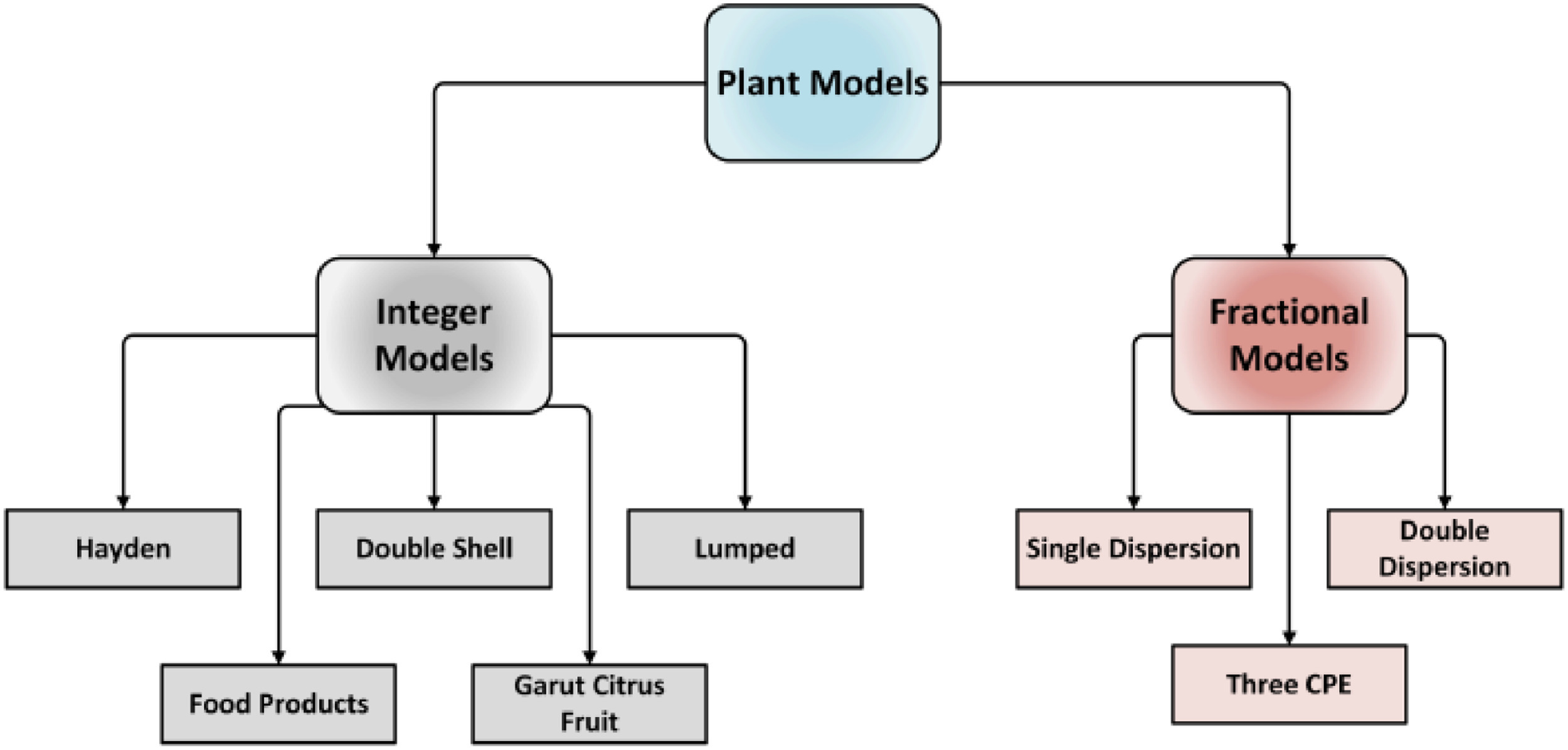
Experimental investigation of innovative active packaging biofilms using electrical impedance spectroscopy
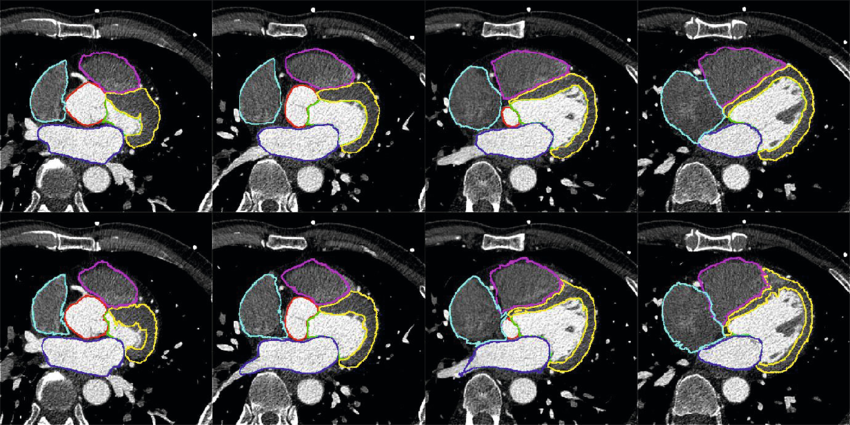
Myocardial segmentation using constrained multi-seeded region growing
Multi-slice short-axis acquisitions of the left ventricle are fundamental for estimating the volume and mass of the left ventricle in cardiac MRI scans. Manual segmentation of the myocardium in all time frames per each cross-section is a cumbersome task. Therefore, automatic myocardium segmentation methods are essential for cardiac functional analysis. Region growing has been proposed to segment the myocardium. Although the technique is simple and fast, non uniform intensity and low-contrast interfaces of the myocardium are major challenges of the technique that limit its use in myocardial
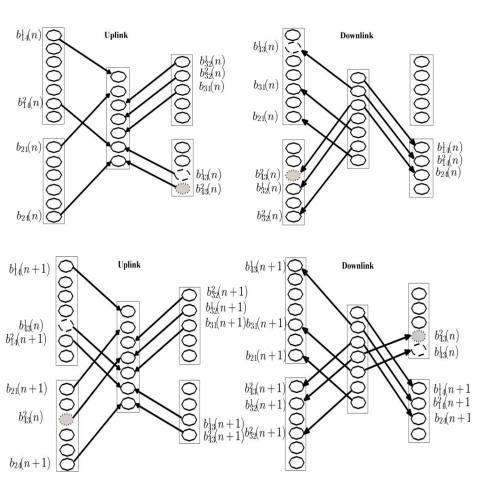
The deterministic multicast capacity of 4-node relay networks
In this paper, we completely characterize the deterministic capacity region of a four-node relay network with no direct links between the nodes, where each node communicates with the three other nodes via a relay. Towards this end, we develop an upper bound on the deterministic capacity region, based on the notion of a one-sided genie. To establish achievability, we use the detour schemes that achieve the upper bound by routing specific bits via indirect paths instead of sending them directly. © 2013 IEEE.
Optimal random access for a cognitive radio terminal with energy harvesting capability
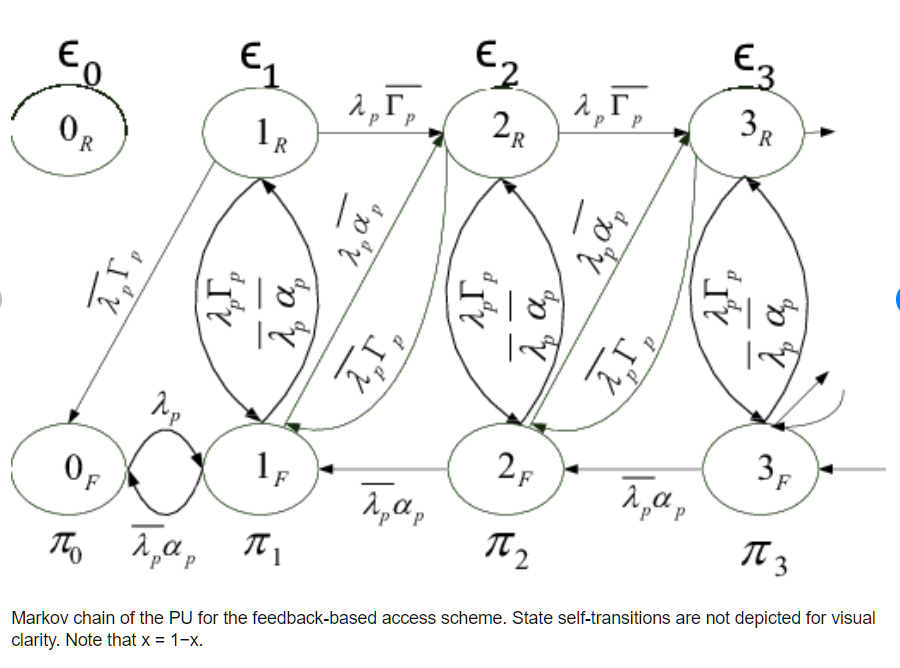
We consider a cognitive radio scenario with an energy harvesting secondary user (SU) attempting to access a primary channel randomly. We assume multipacket reception (MPR) capability and investigate a system in which the SU may or may not exploit the primary feedback messages. The access probabilities are obtained to maximize the secondary throughput under the constraints of primary queue stability and such that the primary queueing delay is kept below a specified value in order to guarantee a certain quality of service (QoS) for the primary user (PU). We investigate the impact of the energy
Optimal random access and random spectrum sensing for an energy harvesting cognitive radio
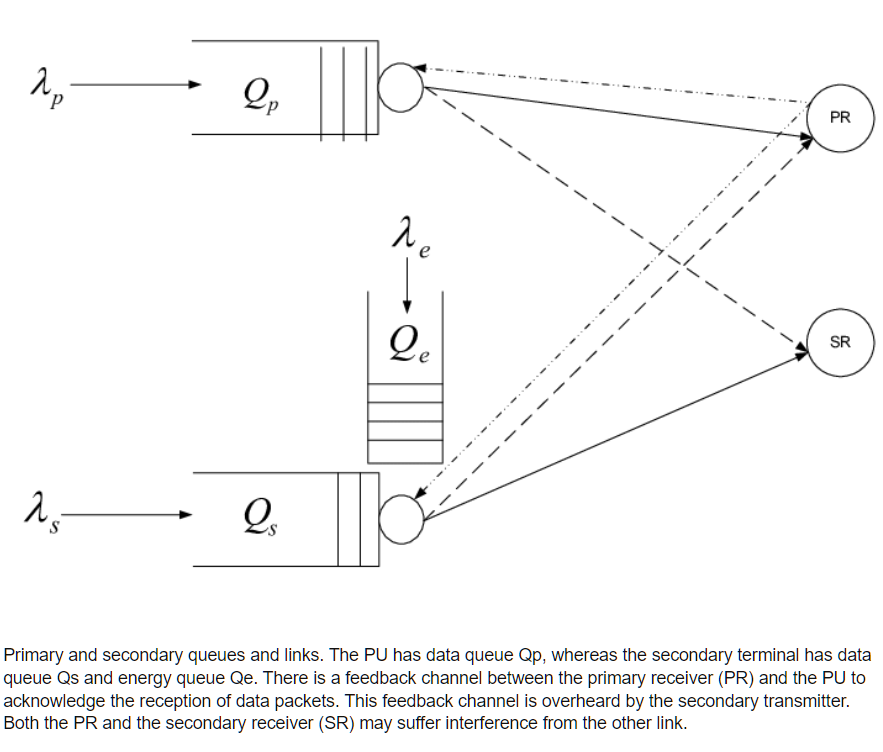
We consider a secondary user with energy harvesting capability. We design access schemes for the secondary user which incorporate random spectrum sensing and random access, and which make use of the primary automatic repeat request (ARQ) feedback. The sensing and access probabilities are obtained such that the secondary throughput is maximized under the constraints that both the primary and secondary queues are stable and that the primary queueing delay is kept lower than a specified value needed to guarantee a certain quality of service (QoS) for the primary user. We consider spectrum sensing
Leveraging primary feedback and spectrum sensing for cognitive access
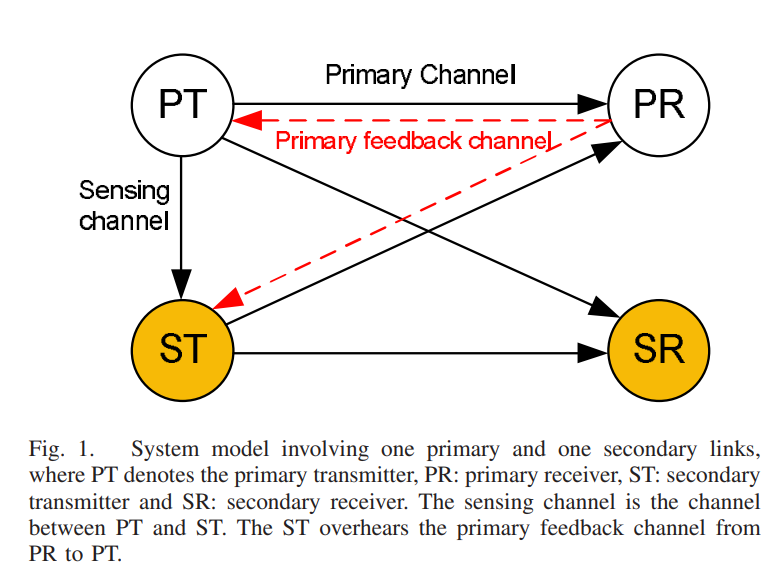
We consider a time-slotted primary system where both the primary channel and primary activity are modeled as two independent two-state Markov chains. The primary transmitter can be idle or busy, whereas the channel can be in erasure or not. Moreover, the sensing channel between the primary transmitter and secondary transmitter is modeled as a two-state Markov chain to represent two levels of sensing reliability. At the beginning of each time slot, the secondary transmitter may remain idle, transmit directly, or probe the channel and access the channel only if it is sensed to be free. At the
Application of nano waste particles in concrete for sustainable construction: a comparative study
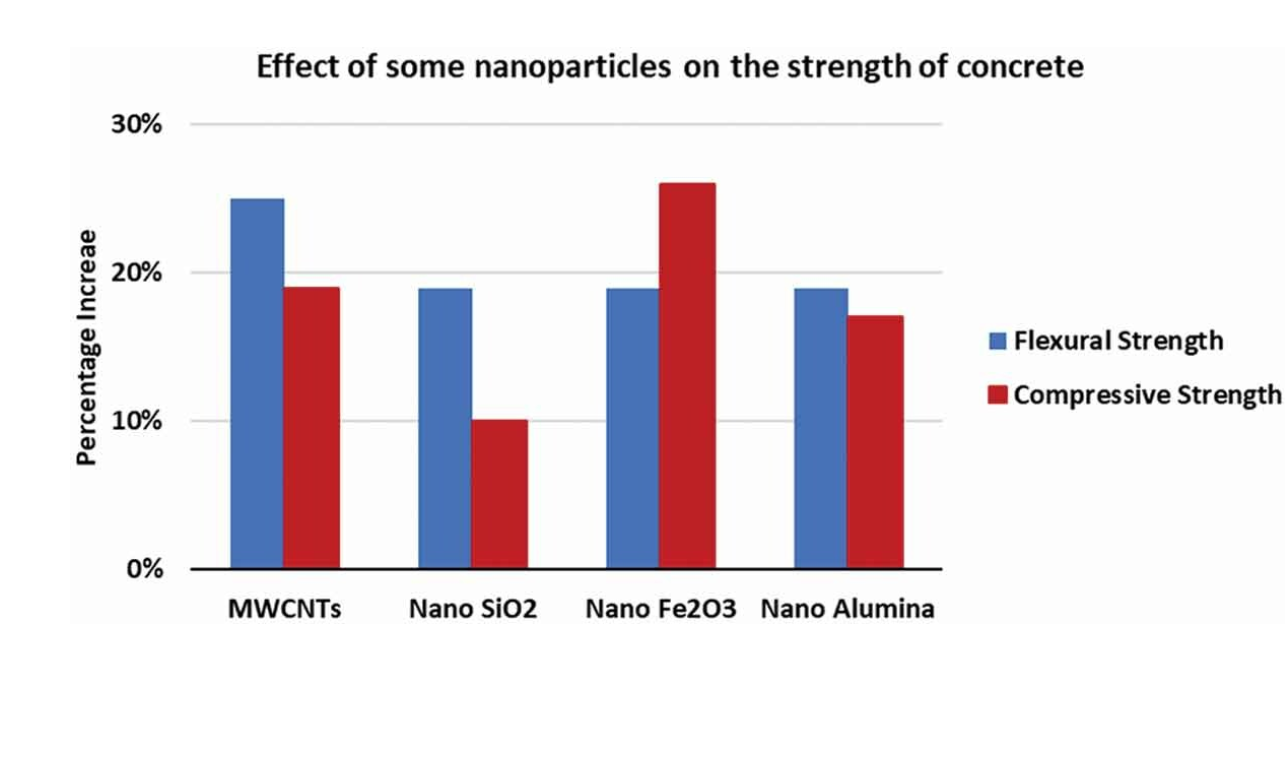
Nano particles contribute as a partial substitute in the production of eco-friendly building materials. This research presents a quantitative assessment of the sustainability effect of partially replacing cement in the green concrete mix with two types of nano-waste particles. The assessment is achieved using two weighing criteria developed by a Sustainable Decision Support System (SDSS) model. This assesses the alternatives using scoring systems based on both the Life Cycle Assessment (LCA) technique and Multi-Criteria decision analysis method. Ten sustainable aspects comprising four
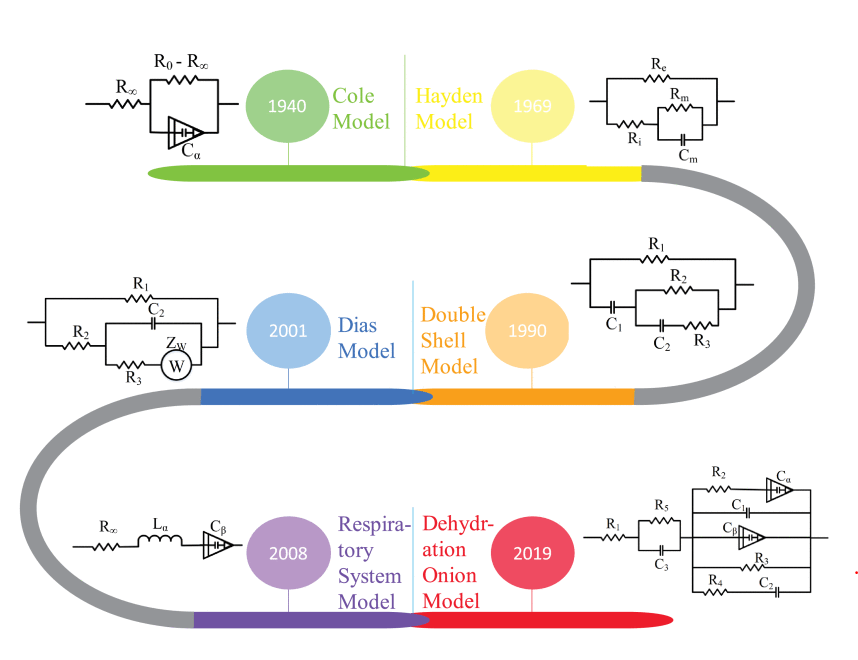
Fractional-order bio-impedance modeling for interdisciplinary applications: A review
Bio-impedance circuit modeling is a popular and effective non-invasive technique used in medicine and biology to fit the measured spectral impedance data of living or non-living tissues. The variations in impedance magnitude and/or phase at different frequencies reflect implicit biophysical and biochemical changes. Bio-impedance is also used for sensing environmental changes and its use in the agriculture industry is rapidly increasing. In this paper, we review and compare among the fractional-order circuit models that best fit bio-impedance data and the different methods for identifying the
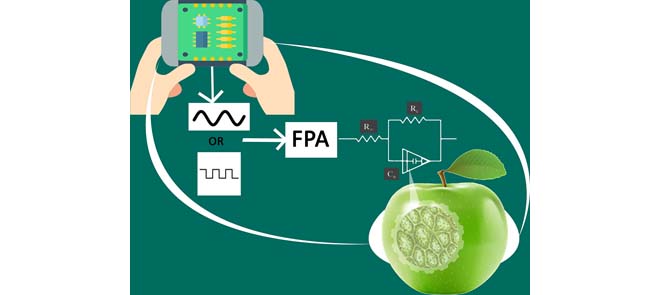
Extracting Optimized Bio-Impedance Model Parameters Using Different Topologies of Oscillators
This paper demonstrates the possibility of extracting the single-dispersion and double-dispersion Cole-bio-impedance model parameters using oscillators (sinusoidal or relaxation). The method is based on replacing selected components in the oscillator structure with the biological sample under test and then using the Flower Pollination optimization Algorithm (FPA) to solve a set of nonlinear equations in order to extract the unknown model parameters. Minimum component sinusoidal oscillators and relaxation oscillators are used in this work and experimental results on three samples of four