
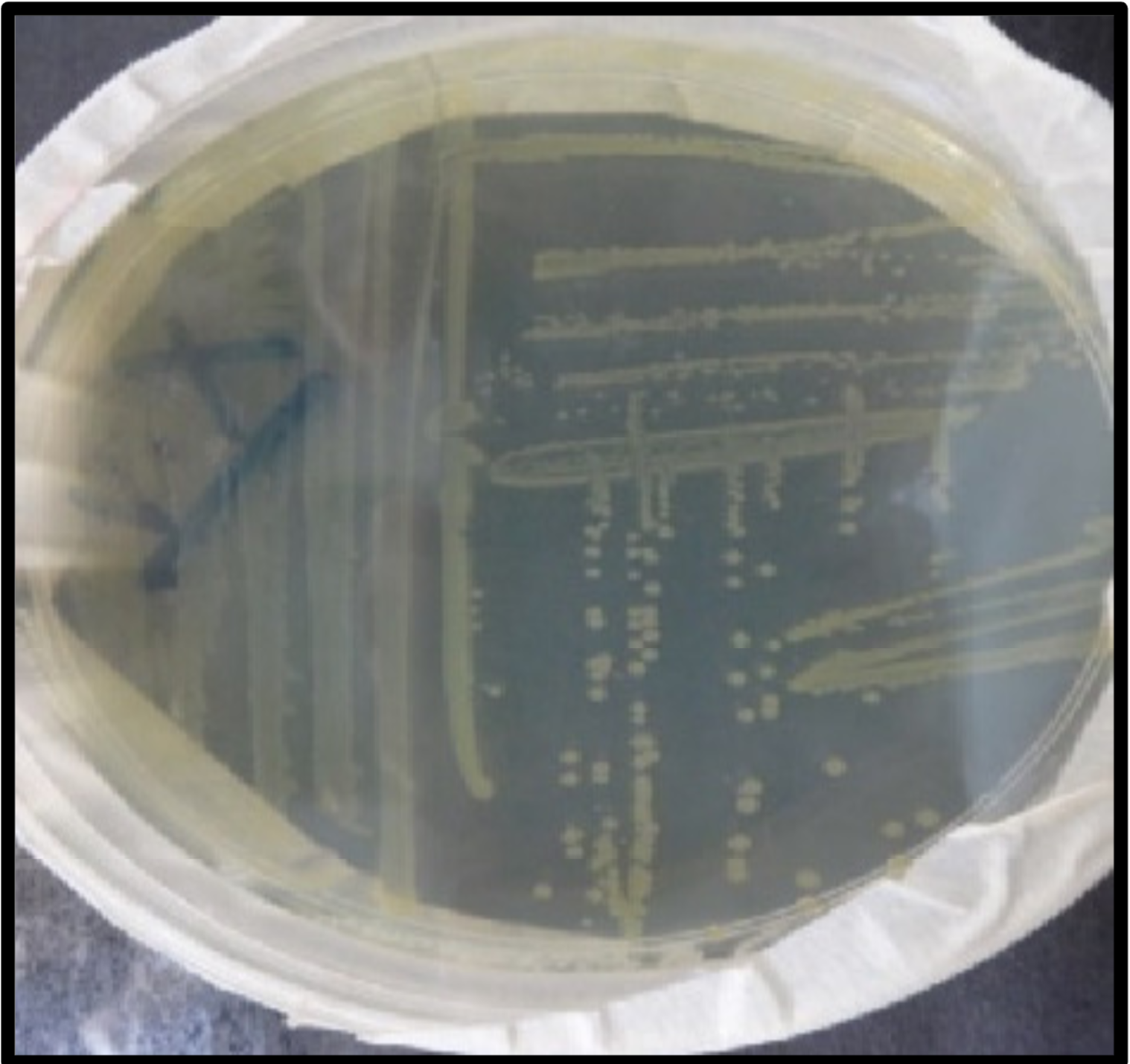
Morphogenetic characterization of Stenotrophomonas maltophilia infecting white stripe disease of rice (Oryza sativa L.)
Rice is a major cereal crop which ensure food security to more than half of the global population. Several biotic factors impact rice grain quality and its final production. White stripe disease, caused by pathogen Stenotrophomonas maltophilia is considered among the major limiting factor for reducing rice yields and quality. Present study was performed to understand the white stripe disease, which has been frequently misdiagnosed as bacterial leaf blight (BLB) due to similar symptoms. A survey was carried out based on accessibility and farmer participation to monitor incidence and sample
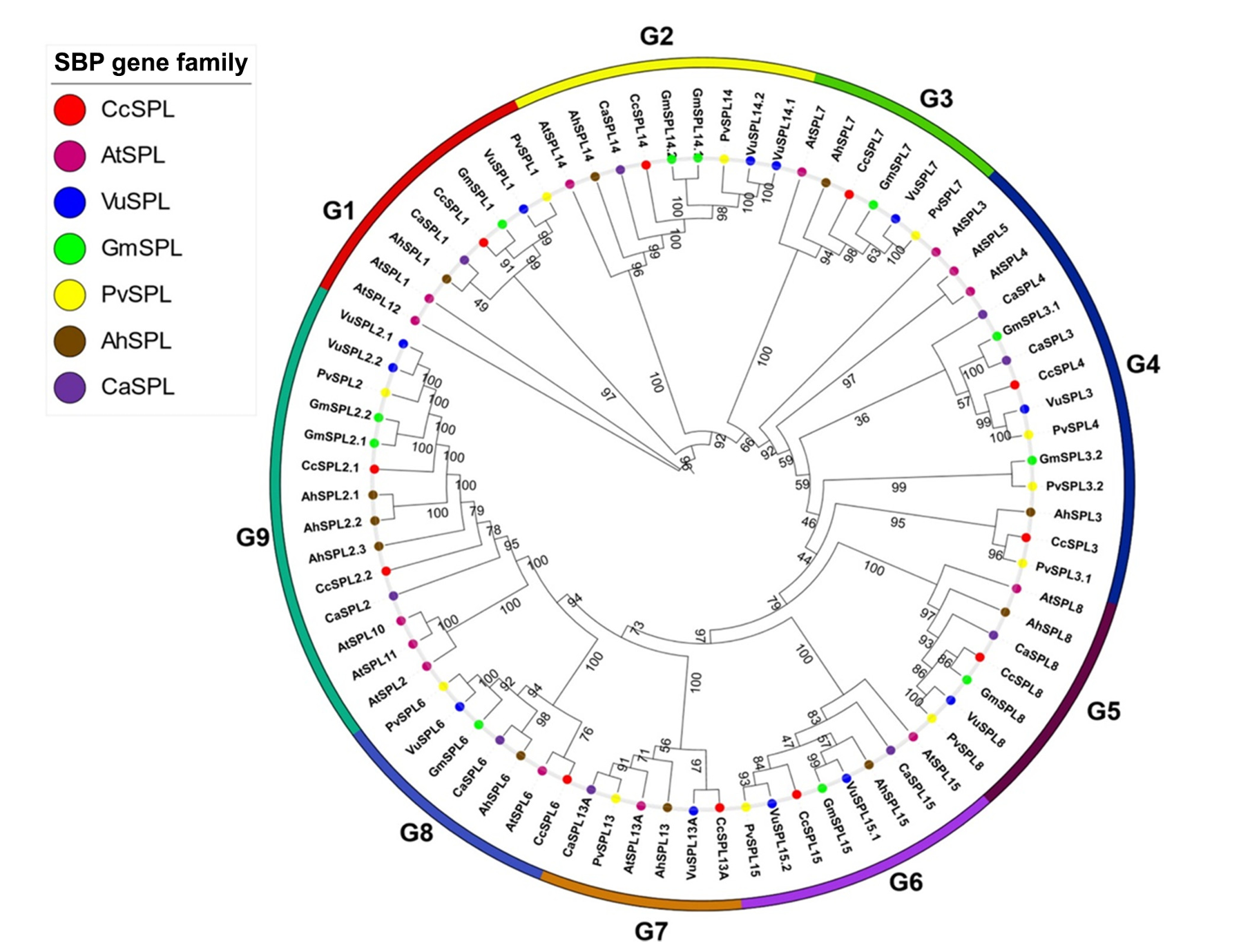
Identification and expression analysis of SBP-Box-like (SPL) gene family disclose their contribution to abiotic stress and flower budding in pigeon pea (Cajanus cajan)
The SPL gene family (for Squamosa Promoter-binding like Proteins) represents specific transcription factors that have significant roles in abiotic stress tolerance, development and the growth processes of different plants, including initiation of the leaf, branching and development of shoot and fruits. The SPL gene family has been studied in different plant species; however, its role is not yet fully explored in pigeon pea (Cajanus cajan). In the present study, 11 members of the CcSPL gene family were identified in C. cajan. The identified SPLs were classified into nine groups based on a
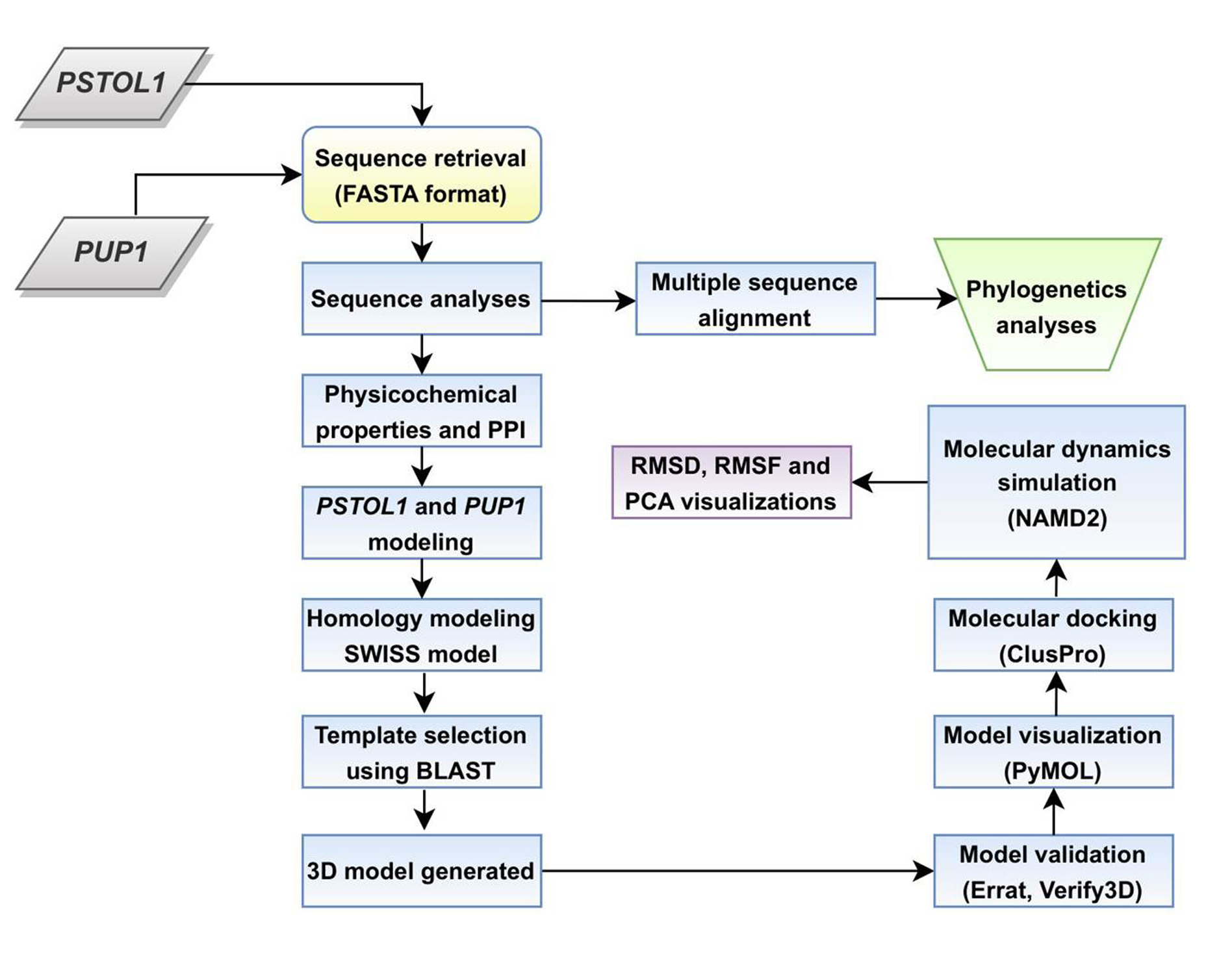
In silico analysis of the structural and functional characterization of the phosphorus-starvation tolerance 1 (PSTOL1) gene
As an important macro element for all living cells, phosphorus is essential in agricultural production systems and is required in large quantities by elite varieties of crops to maintain yields. Approximately 70% of the worldwide cultivated land suffers from phosphorous deficiency, and it has recently been estimated that the worldwide phosphorous resources will be shattered by the end of this century, thereby increasing the need to develop phosphorus-efficient crops. A greater understanding of how plants can maintain yield with lower phosphorous availability is highly desirable to both
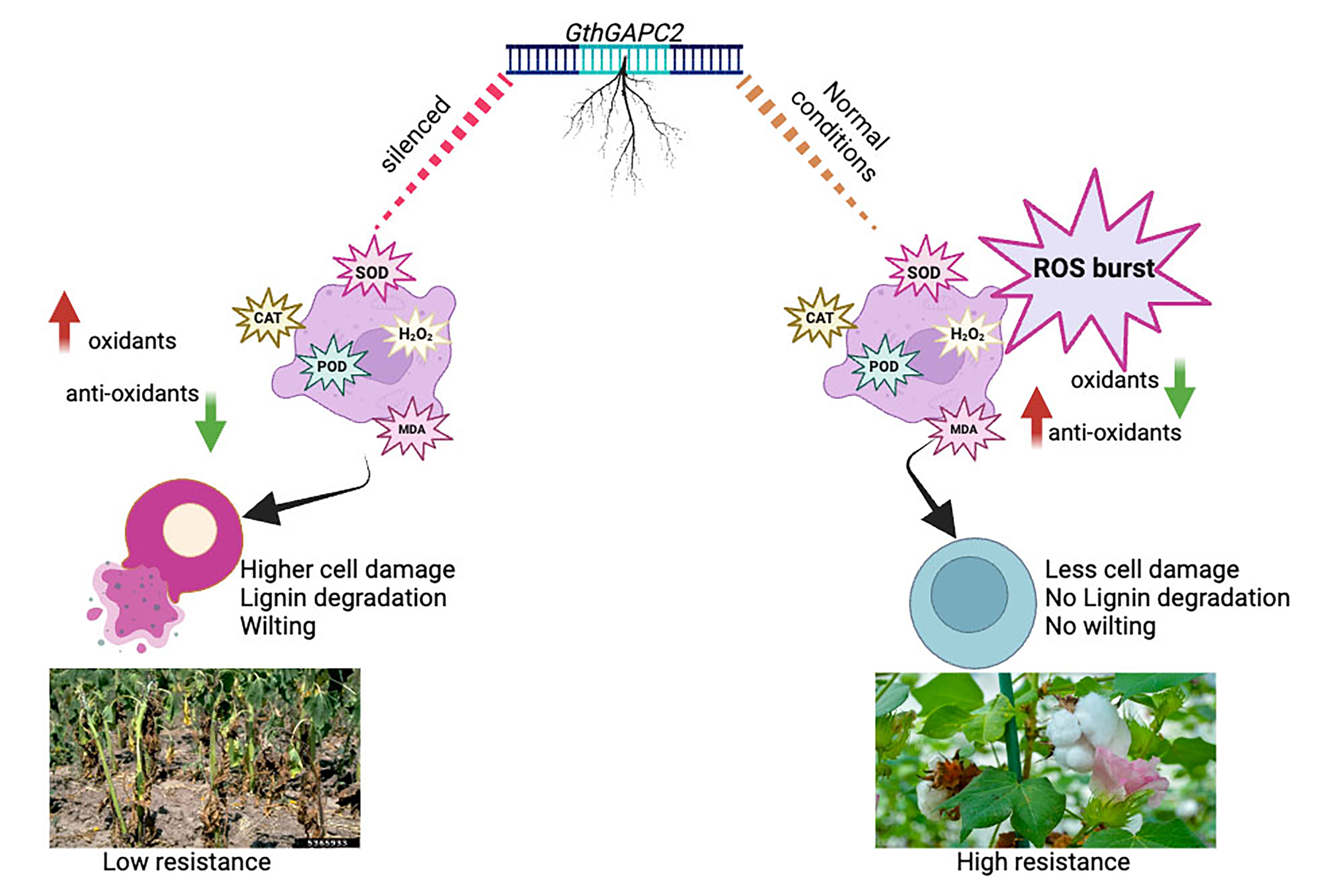
Unravelling the Functional Role of GthGAPC2 in Cotton's Defense Against Verticillium dahliae through Proteome
Cotton (Gossypium spp.) is an economically important crop, but its productivity is often hindered by the soil-borne pathogen Verticillium dahliae. This study aimed to investigate the response of cotton roots to V. dahliae infection by analysing the proteome of Gossypium thurberi (resistant) and Gossypium raimondii (susceptible) at 0 h, 24 h, and 48 h post-infection. Through weighted protein coexpression network analysis, fifteen hub proteins crucial for defense against V. dahliae were identified. Expression analysis revealed the pivotal role of GthGAPC2, encoding GLYCERALDEHYDE-3-PHOSPHATE
Revealing the diversity of Jojoba-associated fungi using amplicon metagenome approach and assessing the in vitro biocontrol activity of its cultivable community
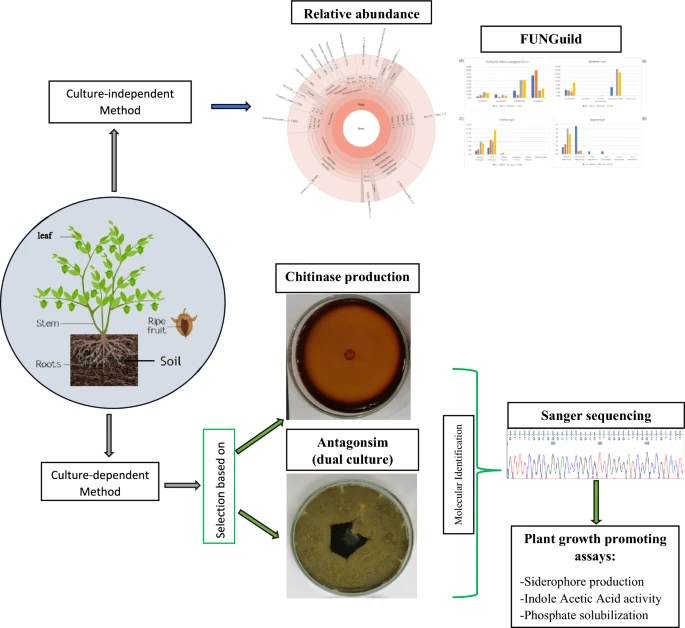
Jojoba shrubs are wild plants cultivated in arid and semiarid lands and characterized by tolerance to drought, salinity, and high temperatures. Fungi associated with such plants may be attributed to the tolerance of host plants against biotic stress in addition to the promotion of plant growth. Previous studies showed the importance of jojoba as jojoba oil in the agricultural field; however, no prior study discussed the role of jojoba-associated fungi (JAF) in reflecting plant health and the possibility of using JAF in biocontrol. Here, the culture-independent and culture-dependent approaches
Water Importance and Pollution Sources-Recommended Limits of Pollutants
There are many water resources like rivers, seas, rains, and groundwater, which can be used in different sectors such as agricultural, domestic, and industrial uses. Therefore, different wastewater effluents with different properties are produced depending on their source. Industrial wastewater is one of the most harmful effluents due to the presence of toxic pollutants such as heavy metals, dyes, and other toxic substances. Usually, water is used in different industries for different internal processes, and then the resulting wastewater is discharged without treatment into the water resources
Comparative genomics and proteomics analysis on Capsicum species reveals insights about the capsaicin biosynthesis
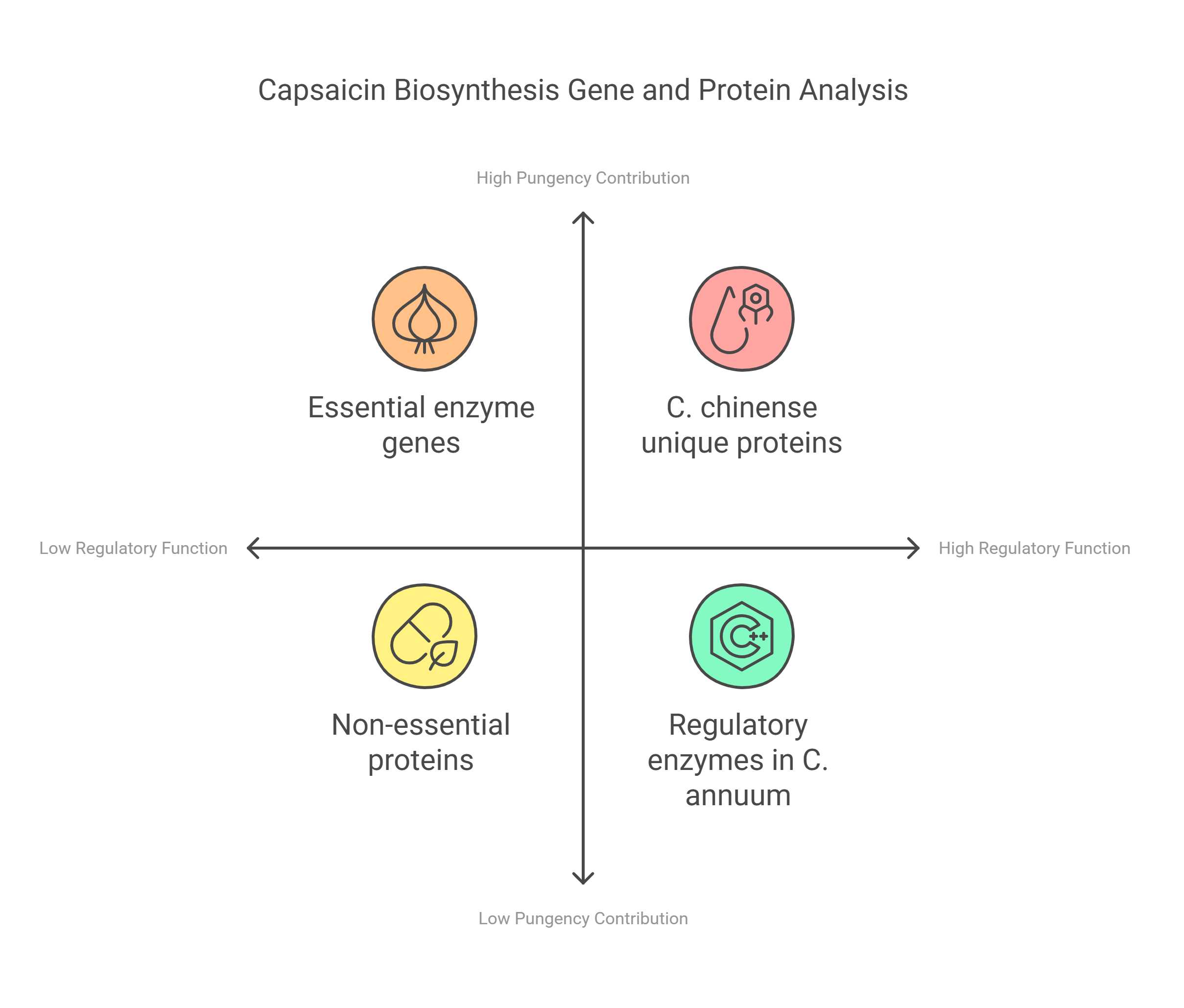
Capsaicin is the primary capsaicinoid compound responsible for the spiciness of chilli peppers. Several known and unknown genes synthesize capsaicin through various metabolic pathways, such as the phenylpropanoid or the L-valine metabolism pathways. We conducted comprehensive comparative genomics and proteomics analyses to identify genes and proteins associated with the capsaicin pathway in Capsicum chinense, Capsicum baccatum and the two C.annuum cultivars, CM334 and ECW. A BLAST search against the NCBI database identified 26 and 58 enzyme genes and proteins, respectively. These enzyme genes
Genome-wide identification, phylogeny and expression analysis of the R2R3-MYB gene family in quinoa (Chenopodium quinoa) under abiotic stress
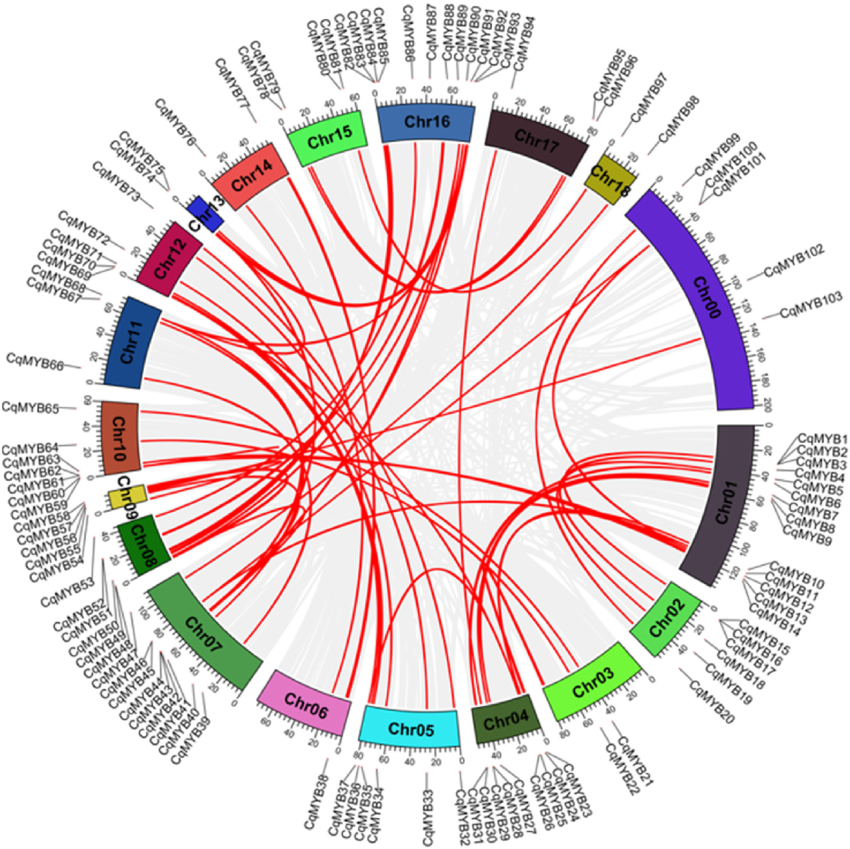
The MYB transcription factor (TF) are among the largest gene families of plants being responsible for several biological processes. The R2R3-MYB gene family are integral player regulating plant primary and secondary metabolism, growth and development, and responses to hormones and stresses. The phylogenetic analysis combined with gene structure analysis and motif determination resulted in division of R2R3-MYB gene family into 27 subgroups. Evidence generated from synteny analyses indicated that CqR2R3-MYBs gene family is featured by tandem and segmental duplication events. On the basis of RNA
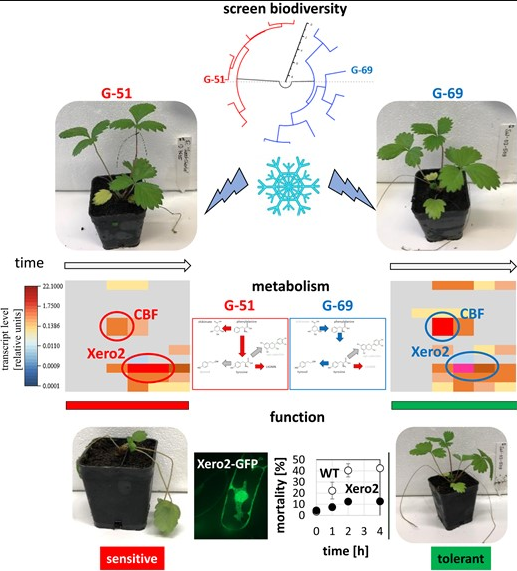
Cold tolerance of woodland strawberry (Fragaria vesca) is linked to Cold Box Factor 4 and the dehydrin Xero2
Domesticated strawberry is susceptible to sudden frost episodes, limiting the productivity of this cash crop in regions where they are grown during early spring. In contrast, the ancestral woodland strawberry (Fragaria vesca) has successfully colonized many habitats of the Northern Hemisphere. Thus, this species seems to harbour genetic factors promoting cold tolerance. Screening a germplasm established in the frame of the German Gene Bank for Crop Wild Relatives, we identified, among 70 wild accessions, a pair with contrasting cold tolerance. By following the physiological, biochemical
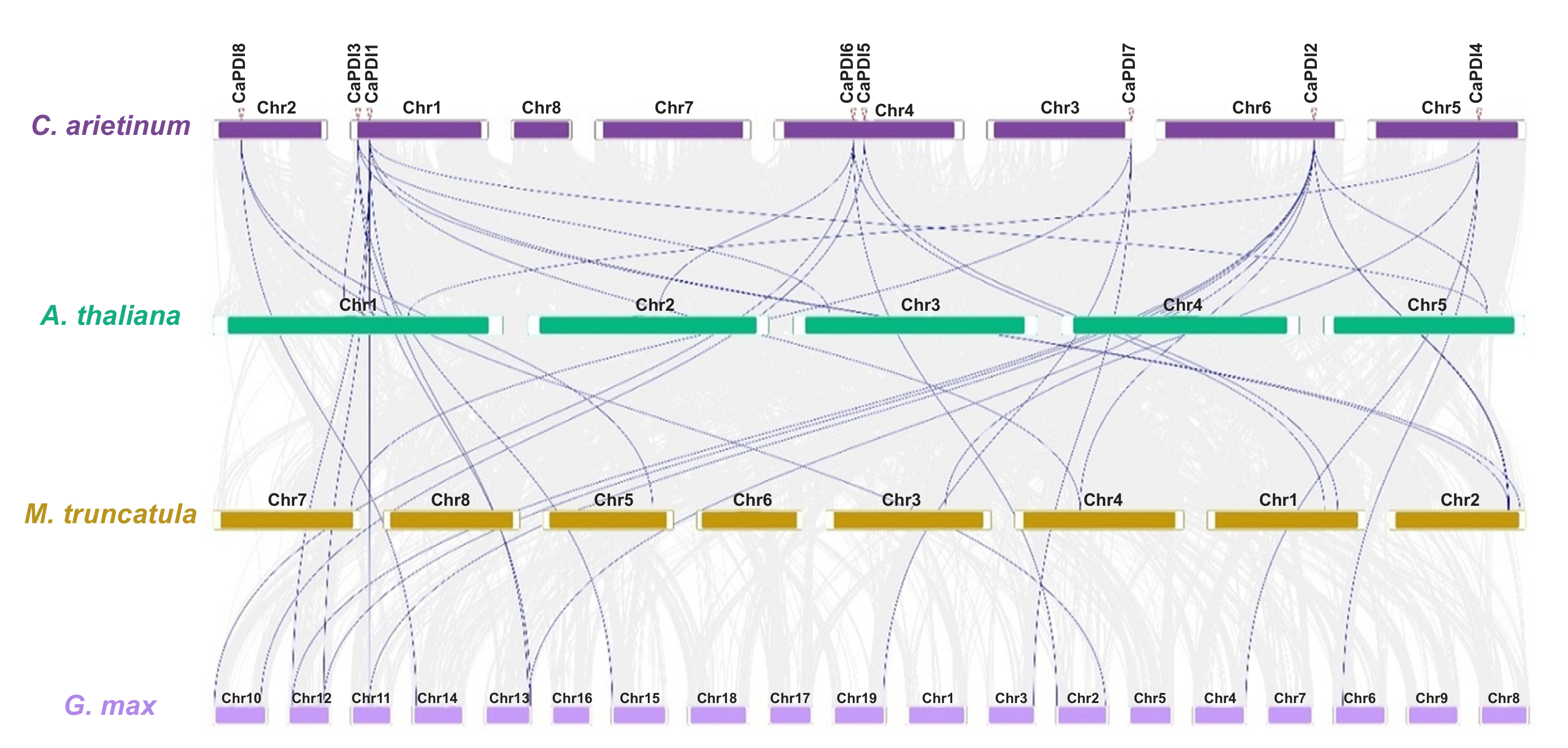
Genome-wide analysis and expression divergence of protein disulfide isomerase (PDI) gene family members in chickpea (Cicer arietinum) under salt stress
Chickpea (Cicer arietinum) is a grain crop that is an important source of protein, vitamins, carbohydrates and minerals. It is highly sensitive to salt stress, and salt damage to cellular homeostasis and protein folding affects production. Plants have several mechanisms to prevent cellular damages under abiotic stresses, such as proteins in the endoplasmic reticulum (protein isulfide somerases (PDIs) and PDI-like proteins), which help prevent the build-up of mis-folded proteins that are damaged under abiotic stresses. In this study, we completed initial comprehensive genome-wide analysis of