
btbanner.jpg

Filter by

Prognostic significance of the genetic variant of lymphotoxin alpha (p.Thr60Asn) in egyptian patients with advanced hepatocellular carcinoma

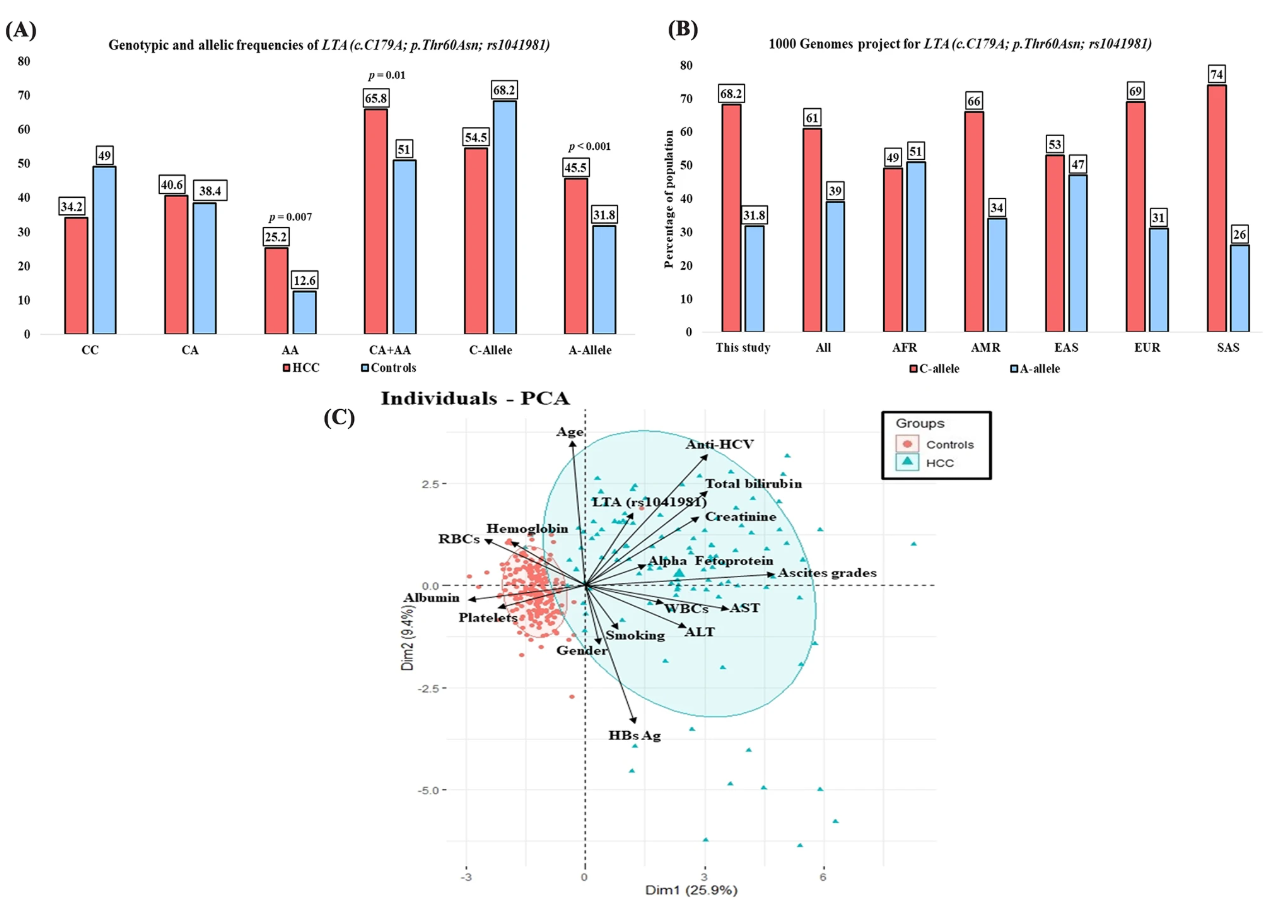
Background: Hepatocellular carcinoma (HCC) is one of the most common malignancies worldwide in terms of mortality, and susceptibility is attributed to genetic, lifestyle, and environmental factors. Lymphotoxin alpha (LTA) has a crucial role in communicating the lymphocytes with stromal cells and provoking cytotoxic effects on the cancer cells. There are no reports on the contribution of the LTA (c
Artificial Intelligence
Healthcare
Circuit Theory and Applications

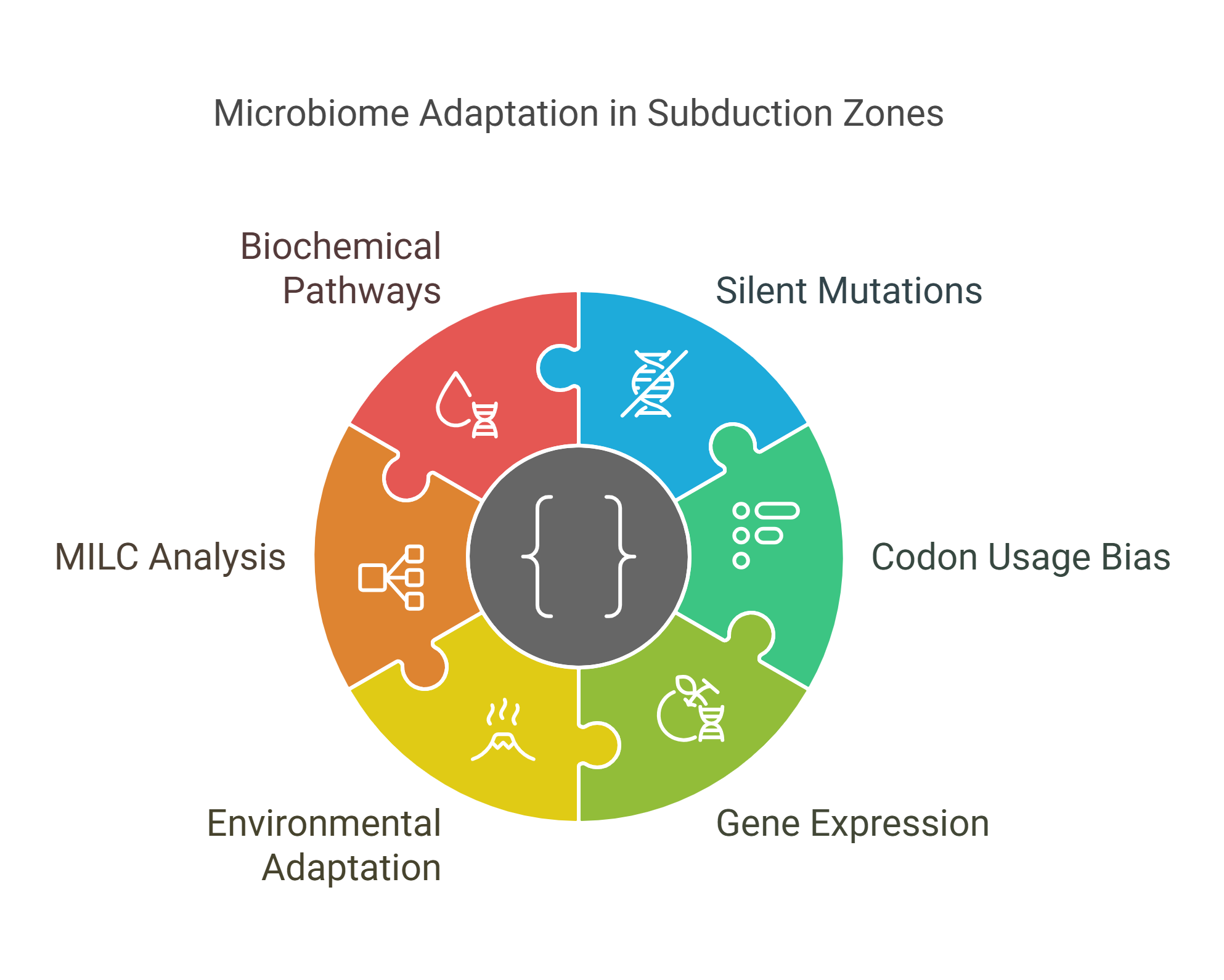
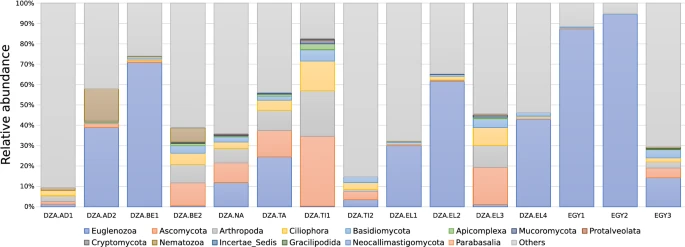
The Melody of Silent Mutations: Microbiome Adaptation Across the Subduction Zone

Silent mutations generate synonymous codons that encode the same amino acid however, they may be silent yet operative. These synonymous codons are used in unequal frequencies resulting in a phenomenon known as codon usage bias (CUB). It drives gene expression towards highly expressed and adaptation genes. In this study we investigated CUB in one of the largest, most dynamic exotic niches, the
Artificial Intelligence
Circuit Theory and Applications
Software and Communications

Synergistic Impacts of Plant-Growth-Promoting Bacteria and Selenium Nanoparticles on Improving the Nutritional Value and Biological Activities of Three Cultivars of Brassica Sprouts
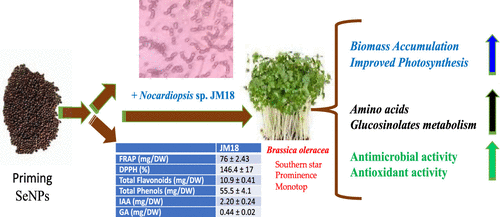
Due to the growing world population and increasing environmental stress, improving the production, nutritional quality, and pharmaceutical applications of plants have become an urgent need. Therefore, current research was designed to investigate the impact of seed priming using plant-growth-promoting bacteria (PGPB) along with selenium nanoparticles (SeNPs) treatment on chemical and biological

Long non-coding RNA maternally expressed gene 3, miR-125a-5p, CXCL13, and NF-kB in patients with immune thrombocytopenia
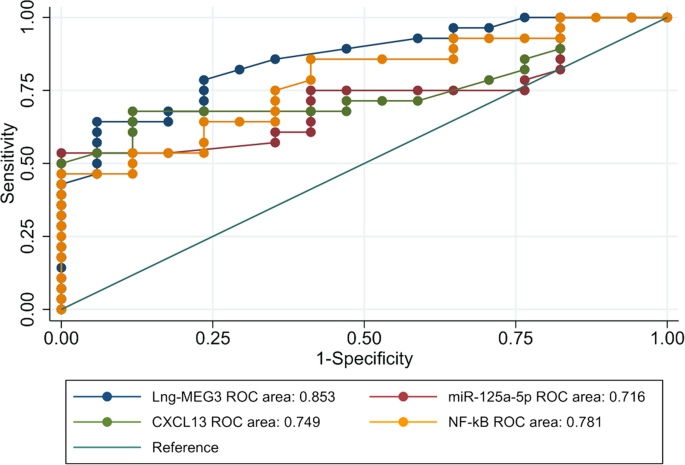
The main aim of this study was to assess the expression level of circulating long non-coding RNA maternally expressed gene 3 (lncRNA-MEG3), microRNA (miR-125a-5P), the chemokine C-X-C motif ligand13 (CXCL13), and the nuclear factor kappa-light-chain-enhancer of activated B cells (NF-kB) in immune thrombocytopenia (ITP) cases and to study its relation to the disease severity and treatment response
.

Long noncoding RNA (taurine upregulated gene 1) and micro RNA-377: emerging players in the development of metabolic syndrome among psoriasis patients
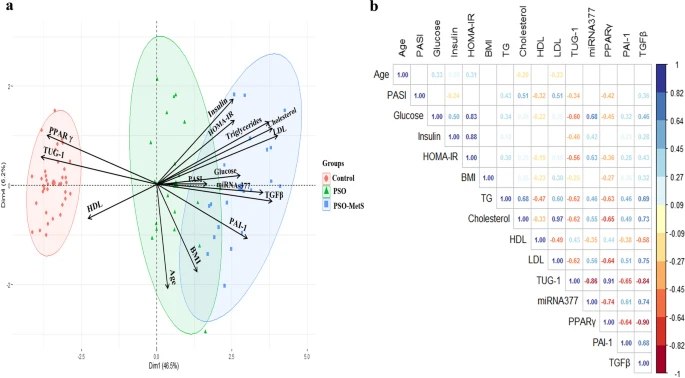
Background: Psoriasis (PsO) is an immune-mediated dermatosis and systemic inflammatory condition that can affect the skin, joints, and other organs and tissues with a range of comorbidities. The activation of proinflammatory cytokines is the primary cause of the development of skin lesions in PsO. Patients with PsO have a higher risk of developing cardiovascular metabolic comorbidities; among

The Effect of Probiotic Supplementation on the Gut–Brain Axis in Psychiatric Patients
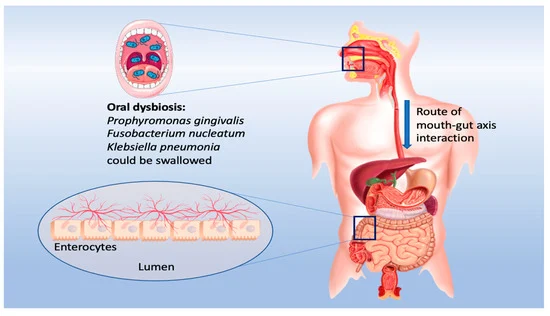
The pathophysiology of several psychiatric diseases may entail disturbances in the hypothalamic–pituitary–adrenal (HPA) axis and metabolic pathways. Variations in how these effects present themselves may be connected to individual variances in clinical symptoms and treatment responses, such as the observation that a significant fraction of participants do not respond to current antipsychotic drugs
00

Synergistic effect of carbon nanoparticles with mild salinity for improving chemical composition and antioxidant activities of radish sprouts
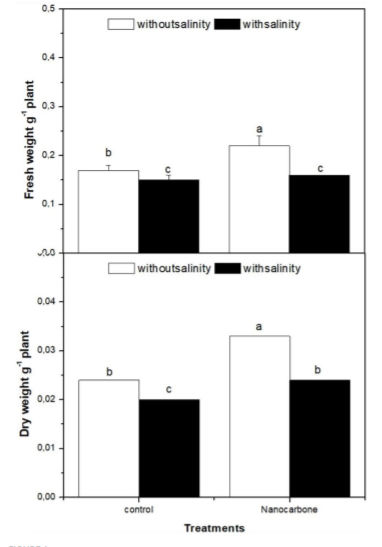
The demand for healthy foods with high functional value has progressively increased. Carbon nanoparticles (CNPs) have a promising application in agriculture including the enhancement of plant growth. However, there are few studies on the interactive effects of CNPs and mild salinity on radish seed sprouting. To this end, the effect of radish seed priming with 80mM CNPs on biomass, anthocyanin

A review of coagulation explaining its definition, mechanism, coagulant types, and optimization models; RSM, and ANN

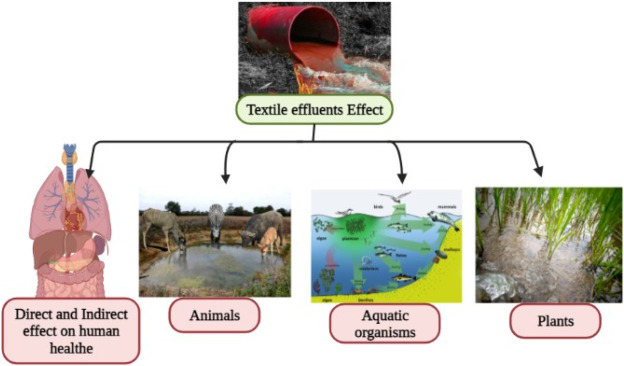
The textile business is one of the most hazardous industries since it produces several chemicals, such as dyes, which are released into water streams with ef-fluents. For the survival of the planet's life and the advancement of humanity, water is a crucial resource. One of the anthropogenic activities that pollute and consume water is the textile industry. Thus, the purpose of the current effort

Water Importance and Pollution Sources—Recommended Limits of Pollutants
There are many water resources like rivers, seas, rains, and groundwater, which can be used in different sectors such as agricultural, domestic, and industrial uses. Therefore, different wastewater effluents with different properties are produced depending on their source. Industrial wastewater is one of the most harmful effluents due to the presence of toxic pollutants such as heavy metals, dyes
Healthcare
1

Biochemical and genotyping analyses of camels (Camelus dromedaries) trypanosomiasis in North Africa

Camels are considered an important food source in North Africa. Trypanosomiasis in camels is a life-threatening disease that causes severe economic losses in milk and meat production. Therefore, the objective of this study was to determine the trypanosome genotypes in the North African region. Trypanosome infection rates were determined by microscopic examination of blood smears and polymerase
Healthcare