
Diabetes Prediction Using Machine Learning: A Comparative Study
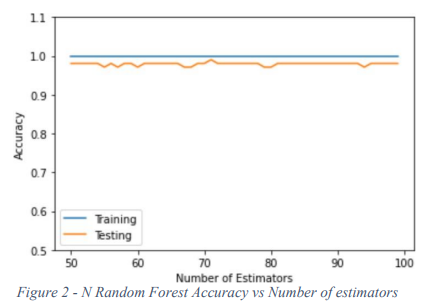
Diabetes is a common, metabolic disease, that results in a high level of blood sugar. Patients diagnosed with diabetes suffer from a body that cannot effectively use the insulin or cannot produce a sufficient amount of insulin. Providing a method of detection via symptoms that can be noticed by the patient can prompt the patient to seek medical assistance more promptly and in turn to be correctly diagnosed and treated. This paper proposed a solution for the problem using machine learning techniques. We applied eight algorithms on a data set of 521 subjects. The results are compared to each
Salinity stress reveals three types of RNA editing sites in mitochondrial Nad7 gene of wild barley both in silico and in qRT-PCR experiments
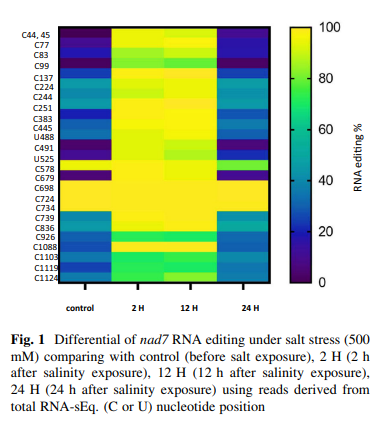
Cellular respiration is an important process performed by mitochondria. Nad complex is the major complex involved in this process and one of the main subunits in this complex is the nad7 (nad dehydrogenase subunit 7). In Hordeum vulgare subsp. spontaneum, four nad7 cDNAs are described at 500 mM salinity, 0 h, or control (GenBank accession no. MW433884), after 2 h (GenBank accession no. MW433885), after 12 h (GenBank accession no. MW433886) and after 24 h (GenBank accession no. MW433887). Twenty six RNA editing sites were revealed in positions: C44, C45, C77, C83, C99, C137, C224, C244, C251
Nandrolone decanoate safely combats catabolism in burned patients: A new potential indication after recall
Support for increased cardiovascular risk in non-segmental vitiligo among Egyptians: A hospital-based, case–control study
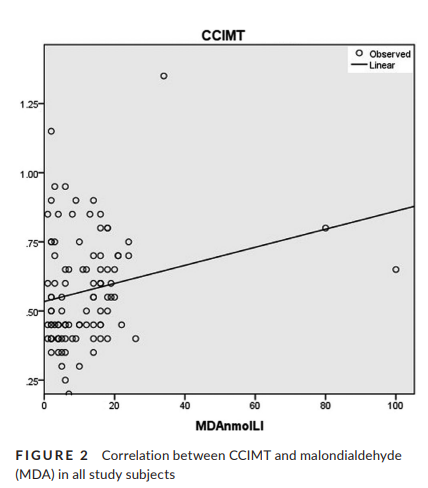
Background: Data have been accumulating in the past few years that identify vitiligo as a disorder with systemic implications. Results and methods: In this hospital-based, cross-sectional, case–control study, 50 patients with non-segmental vitiligo and 50 age- and sex-matched controls underwent analysis of serum lipid profile, oxidative stress biomarkers and carotid duplex. Hydrogen peroxide (H2O2) and malondialdehyde (MDA) were significantly higher in patients than controls (p-value <.001, <.001, respectively); on the other hand, total antioxidant capacity (TAC) was significantly lower in
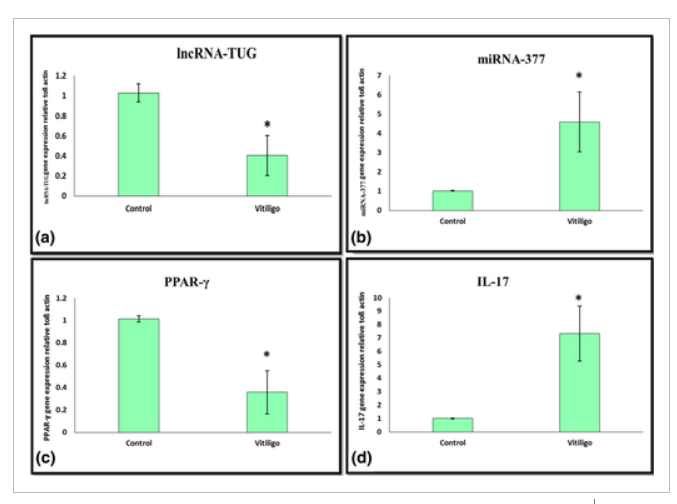
Association between long noncoding RNA taurine-upregulated gene 1 and microRNA-377 in vitiligo
Background: Taurine-upregulated gene 1 (TUG1) is one of the long noncoding RNAs (lncRNAs) that plays a role in melanogenesis. MicroRNA-377 (miRNA-377) is a conserved noncoding RNA that regulates angiogenesis and promotes oxidative stress. Peroxisome proliferator-activated receptors (PPARs) are components of the nuclear hormone receptor superfamily. PPAR-γ activators stimulate melanogenesis. Interleukin (IL)-17 has been implicated in the pathogenesis of several immunological diseases. This work aimed at detecting the expression levels of lncRNA TUG1, miRNA-377, PPAR-γ, and IL-17 among vitiligo